In spite of trail-blazing by several U.S. states, Solicitor General Mike Farnworth seems intent on turning B.C.’s journey to cannabis legalization — a bright future of jobs, tax windfalls and the end of pernicious prosecutions — from a good trip into a bummer. The sprawling omnibus legislation the top cop tabled Thursday in the legislature continued the mishandling by both senior levels of government of the transition from nearly a century of enforcing a criminal prohibition to a marijuana-friendly economy.
A court ruling today could lead to the quashing of thousands of 24 hour drug impaired driving prohibitions. BC’s Supreme Court has ruled that police officers cannot introduce 24 hour prohibitions for drugs to drivers at police stations – or anywhere else that’s not at the roadside.
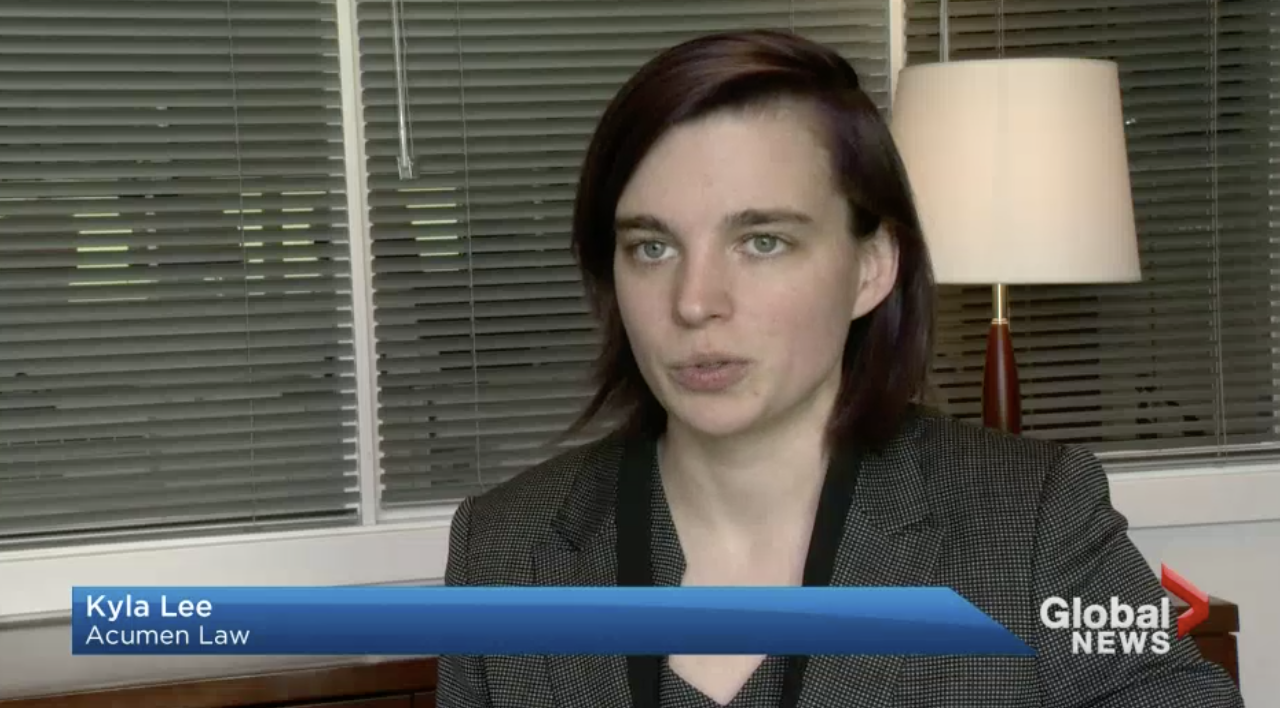
Kyla Lee said: “It’s a ruling related to 24 hour prohibitions for drugs which are often issued in the cases of cannabis impaired driving. It essentially limits the authority of police officers to issue them to only at the roadside. Typically what we’ve been seeing is that police officers will do their roadside investigation, arrest a person, take them back to the detachment for further testing and on completion of that testing, give them the prohibition. The court ruled today that that’s not lawful.”
The BC Supreme Court has ruled today that police officers can only issue 24 hour drug impaired driving prohibitions at the roadside and nowhere else. “It has the potential to have 24 hour prohibitions removed from thousands of people’s driving record.” Acumen Law’s Kyla Lee says it all stems from a ruling today.
The B.C. government has introduced new legislation that would allow ICBC to cancel the driver’s licence of someone who owes more than $3,000 in child support payments.
Currently, the Family Maintenance Enforcement Program (FMEP) can ask ICBC to refuse to issue or renew a driver’s licence of someone with substantial arrears.
The FMEP will only cancel licences if someone is ignoring requests to pay support payments or set up a payment plan.
How do you effectively test if someone is impaired when it comes to marijuana? This is a question that needs to be answered ahead of legalization but with legalization only a few months away. One of the things that is being floated as a potential idea is saliva tests taken from drivers to detect the presence of drugs. Our next guest says that this will not work.
Kyla Lee said: “My biggest concern around saliva testing is that the pilot projects that have been done both by the federal government and the Canadian Society of Forensic Science have not found that these devices should be used to impose significant administrative sanctions.
“The Canadian Society of Forensic Science actually recommended not to use them except to impose very short term consequences because they don’t show a level of impairment and because there is a bout a 7% rate of false positives.”
Cst. Jim Fisher makes an appearance in court for allegations including sexual assault charges.
The ex-VPD detective was facing a host of charges against him including a number of sexual assault counts which have now been dropped.
The 29-year veteran investigator instead pleaded guilty to three charges: two separate counts of breach of trust and one of committing sexual exploitation.
A lawyer with Acumen Law is raising the alarm over the Trudeau government’s so called bold criminal justice reforms. Kyla Lee says Bill C-75’s faults have been getting a lot of media attention but she says one concerning aspect has been overlooked..
Lee says the bill limits cross examination of police officers over what it calls routine police evidence, which might not sound nefarious. “But the definition in the bill of routine police evidence is actually very significant. It encompasses everything a police officer does from identifying an accused individual to anything they say with them or otherwise interacting with them. It covers the collection, handling, and identification of evidence as well as making observations. That is everything that policing is.”
The Liberal government has introduced legislation to overhaul the criminal justice system. If passed, this bill would eliminate the use of peremptory challenges, which allow lawyers to reject jury candidates during selection. The bill includes other measures aimed at tackling court backlogs plaguing the criminal justice system, including by restricting the use of preliminary inquiries.
The bill will also address a Liberal campaign promise to crack down on intimate partner violence, including by reversing the onus on bail for those previously convicted of violence against a current or former spouse, common-law partner or dating partner.
As the government prepares for its cannabis legislation to be passed, Bill C-46 — the government’s new impaired driving bill — will institute a whole new framework for marijuana impaired driving and revamp existing frameworks for alcohol impaired driving by adding random breath tests, salvia tests, and even, blood tests.
Acumen Law Corporation lawyer Kyla Lee talks to Stirling Fox on Roundhouse Radio about Bill C-46 and why the bill opens the government up to constitutional challenge.