Blog

Weird and Wacky Wednesdays: Volume 349

Cartoon-style wide illustration showing three panels: a man in a kayak, a confused businessman imagining another man's face while looking at his phone, and a happy woman taking a selfie with cash and a vault. Banner text says “Weird & Wacky Wednesdays: Criminals Who Thought They Outsmarted the System.”

This week on Weird and Wacky Wednesdays: Criminals Who Thought They Outsmarted the System

This week we’re spotlighting individuals whose overconfidence in their cunning led to ill-fated criminal endeavours. From faking deaths to AI-driven fraud, these stories serve as cautionary tales about the perils of underestimating the law and overestimating oneself.

Weird and Wacky Wednesdays: Volume 349 Read More »

Are Traffic Tickets a Violation of Human Rights?

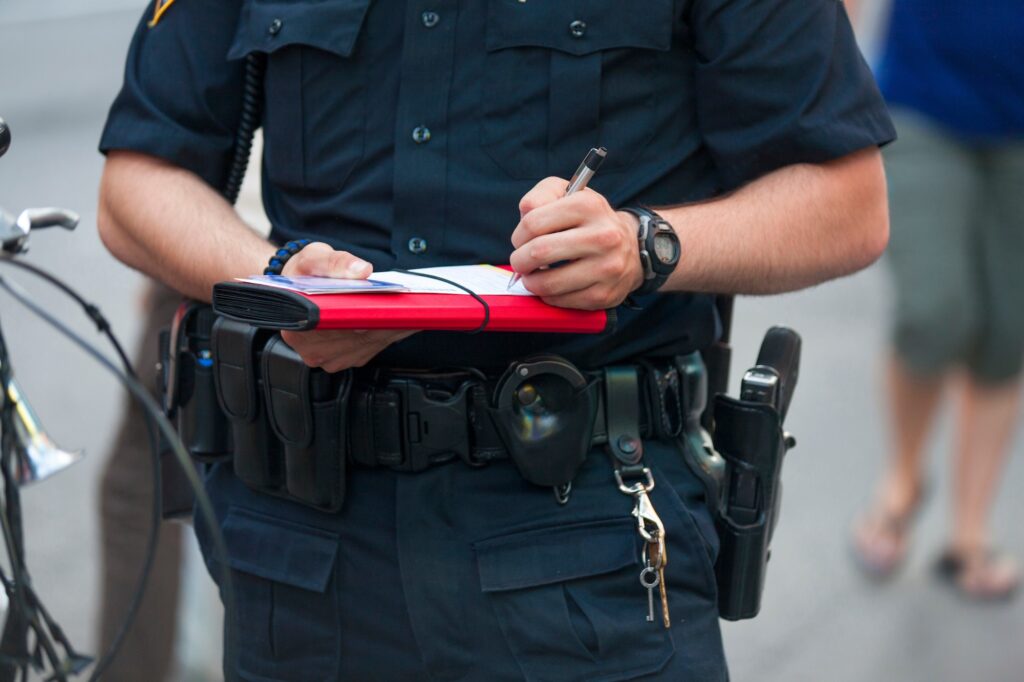
Police officer issuing a ticket to a driver in a car during a roadside stop.

Many drivers in British Columbia question whether traffic tickets infringe on their human rights, especially when faced with hefty fines or the consequences of accumulating penalty points. While it’s natural to feel frustrated by a ticket, it’s important to understand how Canadian law views the relationship between traffic enforcement and human rights.

Are Traffic Tickets a Violation of Human Rights? Read More »

Enough is Enough: Stop Humiliating and Start Working

If you have paid any attention to the legal issues surrounding the use of artificial intelligence in courtrooms, you probably heard about the first case involving hallucinated legal precedence that occurred in British Columbia. You probably heard about it because you read a story in the news, saw it on your television during the 6:00 PM broadcast or you read a post on LinkedIn or some other social media.

What you don’t hear in those news stories, television broadcasts, and social media posts is the underlying circumstances that occurred in this case.

Enough is Enough: Stop Humiliating and Start Working Read More »

Inciting Mischief: Cases That Should Have Gone to the Supreme Court of Canada, But Didn’t!

Welcome to “Cases That Should Have Gone to the Supreme Court of Canada, But Didn’t!”

In this episode, Kyla Lee from Acumen Law Corporation discusses a case involving the Freedom Convoy and the criminal offence of counseling mischief—raising serious concerns about the boundaries between free speech and criminal conduct in the context of protests.

Inciting Mischief: Cases That Should Have Gone to the Supreme Court of Canada, But Didn’t! Read More »

Episode 403: DIY Traffic Defence Fails and the Limits of ICBC’s No-Fault System

This week on Driving Law, Kyla and Paul review two BC Supreme Court cases that highlight the risks of representing yourself in traffic court. First, they unpack the failed appeal of a driver who claimed he was interacting with his truck’s console—not a phone—when ticketed for distracted driving, and how a lack of courtroom experience undermined his defence. Then, they analyze a judicial review involving a rejected late dispute application—complete with a single stamped reason: “No arguable defence”—and why that was upheld despite arguments about inadequate reasoning.

Episode 403: DIY Traffic Defence Fails and the Limits of ICBC’s No-Fault System Read More »

10 Common Mistakes People Make During a DUI Investigation

Driver sitting in a car being stopped by a police officer, who is checking a device, possibly related to impaired driving enforcement.

DUI investigations are high-pressure situations that often lead individuals to make mistakes that can significantly impact their cases. Understanding these common errors can help you protect your rights and minimize the consequences of a potential DUI investigation.

Here are the top 10 mistakes people commonly make during a DUI investigation, along with practical advice on how to avoid them.

10 Common Mistakes People Make During a DUI Investigation Read More »

Weird and Wacky Wednesdays: Volume 348

This week on Weird and Wacky Wednesdays: Heavy Equipment Edition

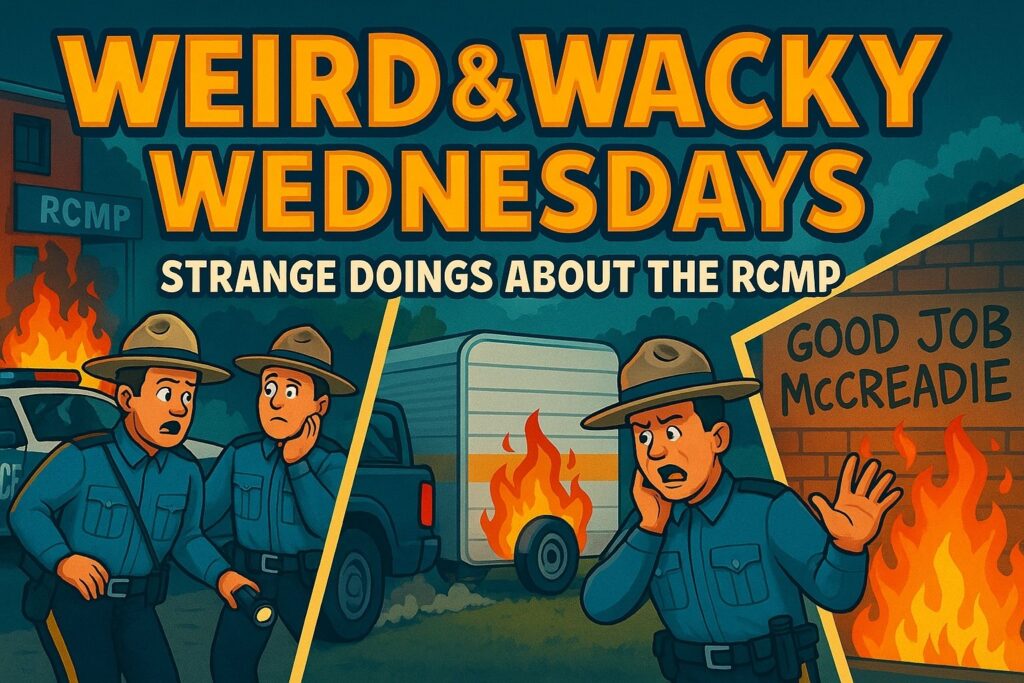
This week in Bonnyville, Alberta, an individual used a stolen trackhoe to damage RCMP vehicles parked outside the local detachment and dropped boulders in front of the prisoner loading bay. Entertaining? Yes. Startling? No question. But more than anything, it reveals a growing trend: the increased use of construction equipment in crimes—either to “fight the man” or simply to generally cause destruction.

This week’s Weird and Wacky Wednesdays, we look at a few other recent incidents where someone jumped into a piece of heavy machinery, got themselves arrested, and ultimately wound up standing in front of judge.

Weird and Wacky Wednesdays: Volume 348 Read More »

Corrections and Releases: Cases That Should Have Gone to the Supreme Court of Canada, But Didn’t!

Welcome to “Cases That Should Have Gone to the Supreme Court of Canada, But Didn’t!”

In this episode, Kyla Lee from Acumen Law Corporation explores whether Correctional Services can be held legally responsible when someone they release commits harm—and why the Supreme Court of Canada missed a crucial opportunity to clarify that issue.

Corrections and Releases: Cases That Should Have Gone to the Supreme Court of Canada, But Didn’t! Read More »

Episode 402: The Lapu Lapu Tragedy, Mental Health, and the Law

This week on Driving Law, Kyla Lee and Paul Doroshenko unpack the devastating mass casualty event at Vancouver’s Lapu Lapu Festival, where eleven people were killed and many more injured after a vehicle was driven into the crowd. They explain the legal landscape surrounding the second-degree murder charges, why first-degree murder wasn’t laid (yet), and how additional charges could be added as the investigation evolves.

Episode 402: The Lapu Lapu Tragedy, Mental Health, and the Law Read More »

The Different Types of Self-Driving Cars Permitted in British Columbia

A woman rides in a self-driving car on a highway, with her hands off the wheel. A tablet mounted on the dashboard displays a navigation map, and the blurred scenery through the windshield suggests the vehicle is in motion."

In British Columbia, the Motor Vehicle Act defines various levels of vehicle automation based on the Society of Automotive Engineers (SAE) standards. These levels range from no automation (Level 0) to full automation (Level 5). The Act also regulates the use of these automated vehicles on public roads.

The Different Types of Self-Driving Cars Permitted in British Columbia Read More »

Scroll to Top
CALL ME NOW