Episode 416: Pepper Spray Road Rage, Uber’s Big Win, & the IRP Nobody Saw Coming
Episode 416: Pepper Spray Road Rage, Uber’s Big Win, & the IRP Nobody Saw Coming Read More »
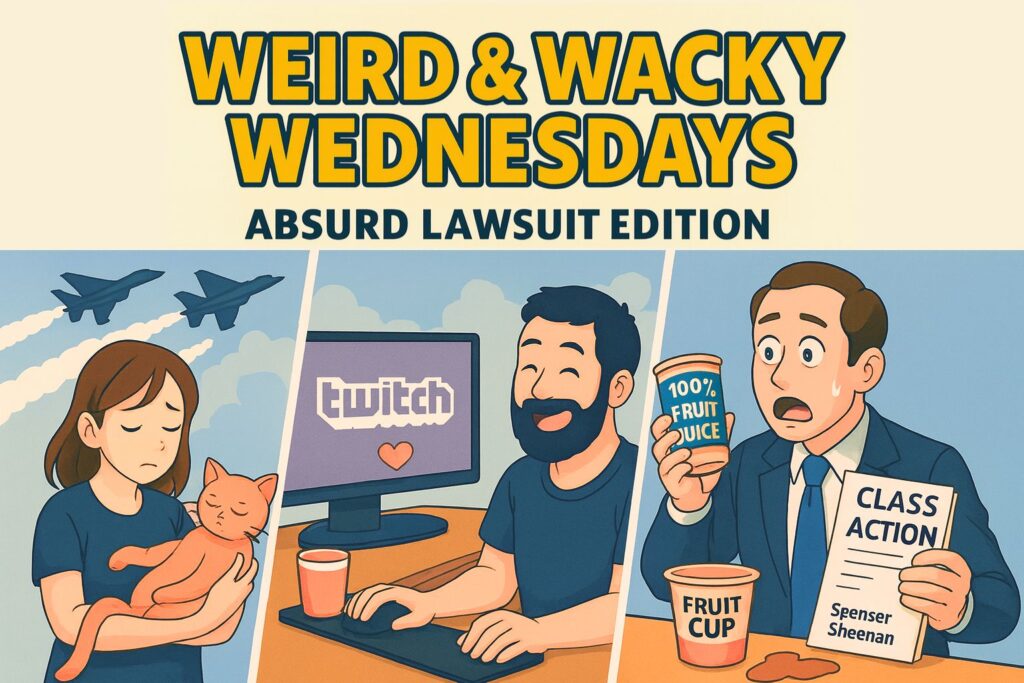
Welcome to another lawsuit edition of Weird and Wacky Wednesdays. When it comes to absurd and ridiculous legal cases, the United States is like a nonstop factory. It might not always be a reliable trading partner, but it consistently serves up bizarre lawsuits. This week we bring you three real cases with a legal twist. These made it into court, even if nobody should have taken them that seriously.
…Weird and Wacky Wednesdays: Volume 362 Read More »
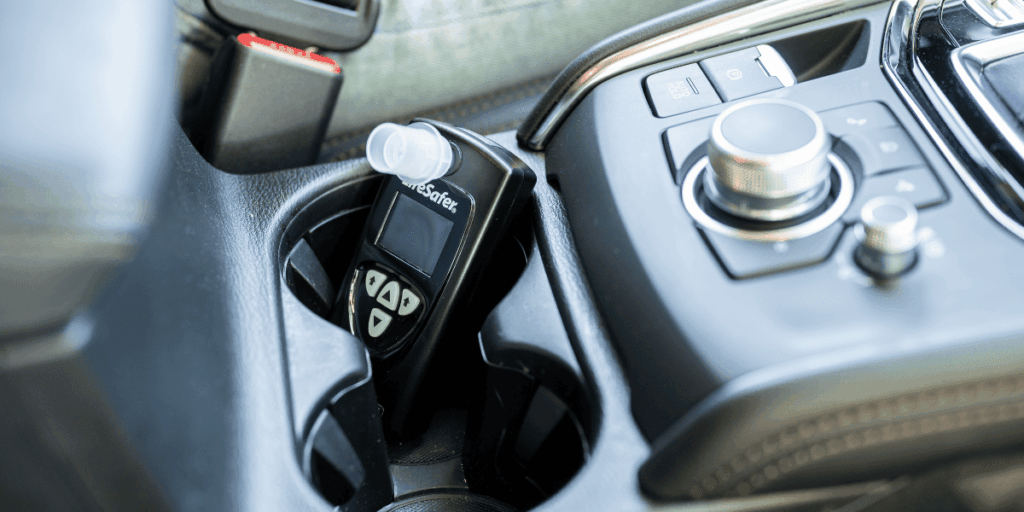
In British Columbia, one of the most significant consequences for multiple DUI offences or prohibitions is the installation of an Ignition Interlock in your vehicle.
If you’ve been convicted of a DUI, particularly for a second or third offence, you may be required to have this device installed for a specified period. In addition, multiple alcohol or drug-related suspensions on your license in a five-year period, even without a criminal conviction, can still trigger these referrals.
But how many DUIs do you need to get a breathalyzer in your car?
…How Many DUIs Do You Need to Get a Breathalyzer in Your Car?Read More »
How Many DUIs Do You Need to Get a Breathalyzer in Your Car? Read More »
Welcome to “Cases That Should Have Gone to the Supreme Court of Canada, But Didn’t!”
In this episode, Kyla Lee from Acumen Law Corporation discusses a case involving the Huron-Wendat First Nation and the Canadian government’s constitutional duty to consult. While the Nation’s main application—arguing they were not adequately consulted on a development project—was waiting to be heard in Superior Court, the government attempted to move forward with the project. The Huron-Wendat First Nation sought an interim stay to pause the project until the issue of consultation could be resolved. The court refused, and the Supreme Court of Canada declined to hear the case. This decision raises serious concerns about how Canada’s duty to consult is respected—or disregarded—in practice.
…
This week on Weird and Wacky Wednesdays we look at police officers who found themselves in trouble for doing absurd things. These are real stories of misconduct. Each one raised questions about professionalism and public trust.
…Weird and Wacky Wednesdays: Volume 361 Read More »

In British Columbia, an ignition interlock device (Ignition Interlock) is often required for individuals convicted of impaired driving or other alcohol-related incidents that have been added to their driving records. These can include 24-hour driving prohibitions, Administrative Driving Prohibitions, and Immediate Roadside Prohibitions.
…How Long is Ignition Interlock Required in BC? Read More »

This week on Driving Law, Kyla Lee and Paul Doroshenko dive into the surprising intersections of beverage labeling errors, breath testing failures, and an RCMP SUV that’s gone viral for all the wrong reasons. Episode 414 covers the legal implications of accidental intoxication, systemic flaws in Canada’s roadside prohibition system, and a moment of pure embarrassment caught on camera. Here’s what you need to know.
…Episode 414: Celsius Confusion, Broken Ribs, and the Stuck RCMP SUVRead More »
Episode 414: Celsius Confusion, Broken Ribs, and the Stuck RCMP SUV Read More »

A recent decision by the Court of Appeal for British Columbia in R. v. Dancho, 2025 BCCA 258, has granted leave to appeal in a case challenging a traffic ticket. This case raises important issues that affect applications to withdraw guilty pleas in traffic ticket cases.
In Mr. Dancho’s case, the BC Supreme Court dismissed his application to extend time for filing a notice of appeal of his traffic ticket guilty plea. This came after Mr. Dancho realized the ticket had penalty points only after receiving an invoice for the Driver Risk Premium in the mail. Mr. Dancho had pled guilty in order to request a fine reduction because he had a limited income.
The Court of Appeal granted leave because Mr. Dancho raised arguable issues that the BC Supreme Court judge misapprehended applicable legal standards, leading to errors of law. Specifically, he raised concerns about the BC Supreme Court judge’s assessment of setting aside the guilty plea. These included that she had applied an incorrect legal standard.
…Plead Guilty to a Traffic Ticket and Now Regretting it? This Case May Help You. Read More »
Plead Guilty to a Traffic Ticket and Now Regretting it? This Case May Help You. Read More »
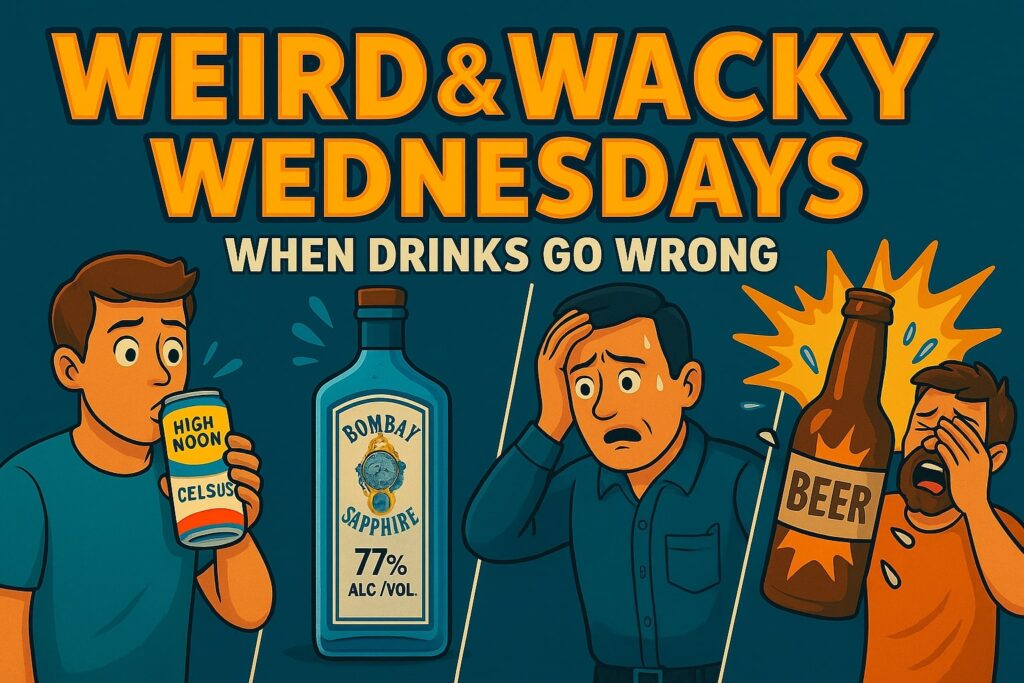
This week on Weird and Wacky Wednesdays, I am looking at three stories from the world of alcohol that show just how important care and accuracy are in brewing and distilling. As some of you know, I am part owner of a distillery, so these issues are never far from my mind. They remind me how quickly something can go wrong, and how the consequences can extend far beyond the brewery or distillery itself.
…Weird and Wacky Wednesdays: Volume 360 Read More »
 CALL ME NOW