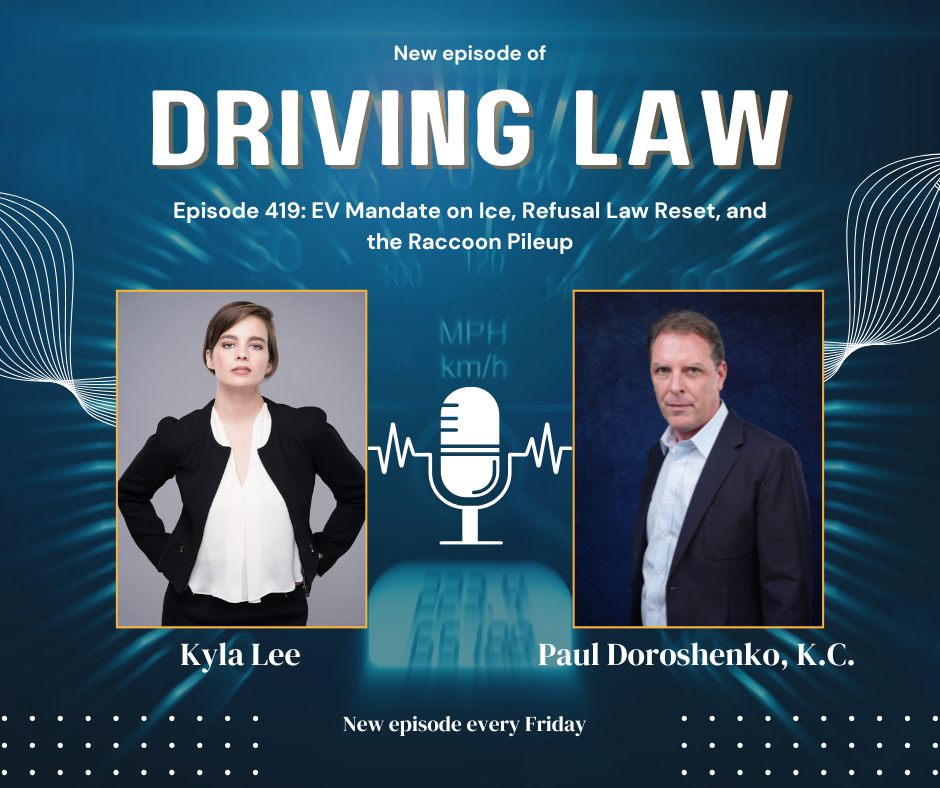
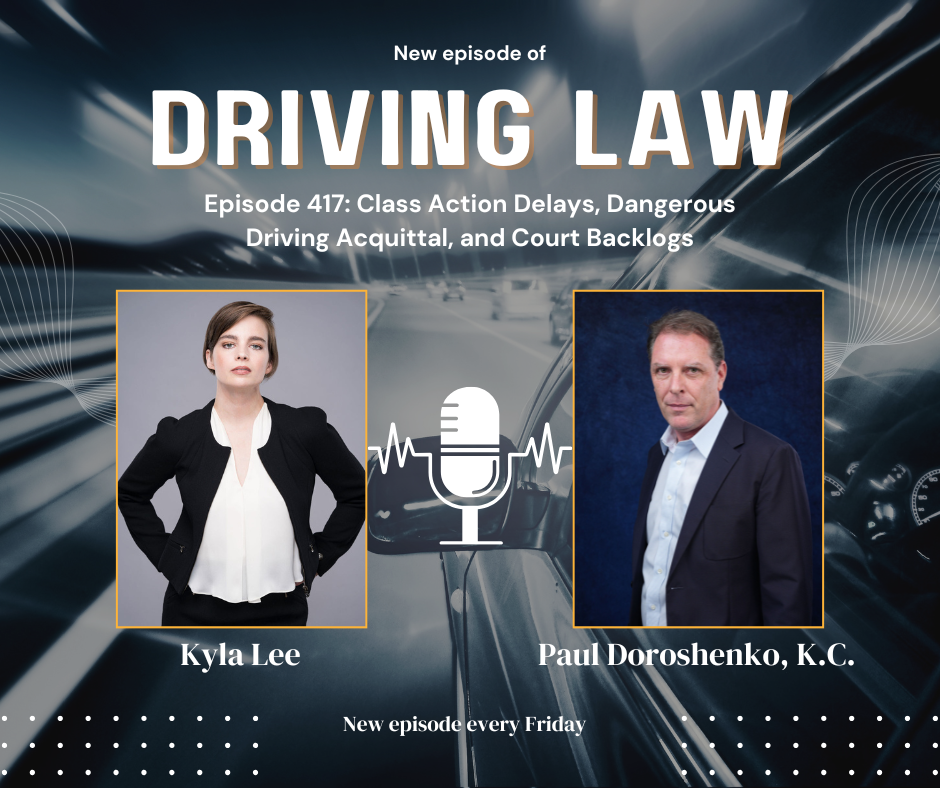
This week on Driving Law, Kyla Lee and Paul Doroshenko explore the federal government’s pause on Canada’s electric vehicle mandate, a major refusal ruling from the Saskatchewan Court of Appeal, and an Ontario case reshaping access to counsel in the digital age. They finish with a Ridiculous Driver of the Week that proves raccoons can cause more than just mischief.
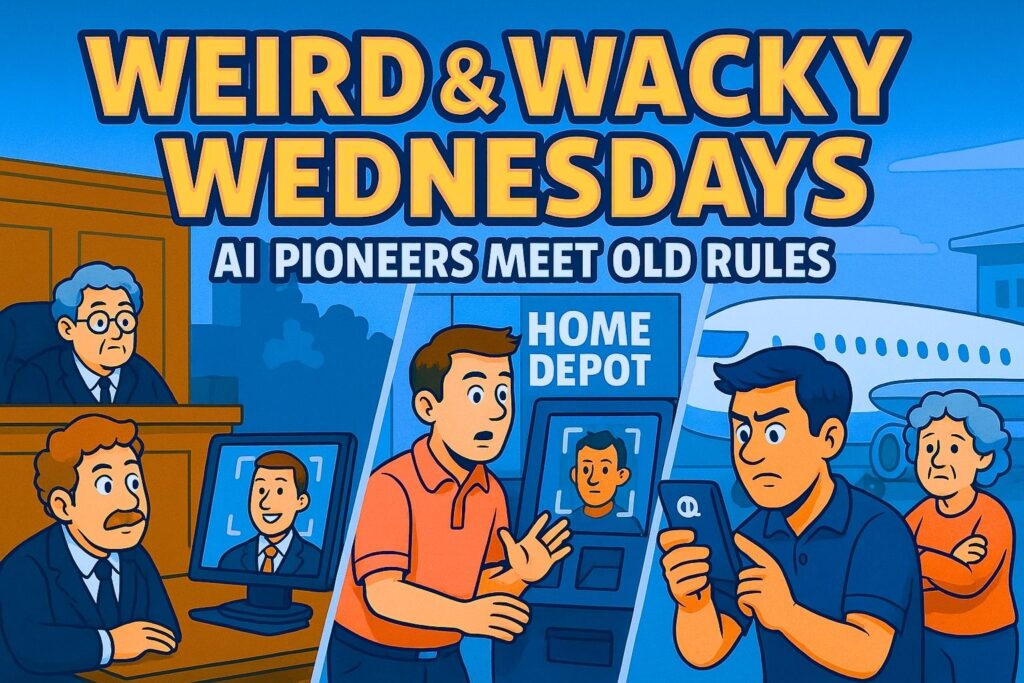
This week on Weird and Wacky Wednesdays: AI Pioneers Meet Old Rules
This week on Weird and Wacky Wednesdays, we look at some legal considerations of being a pioneer in new AI technology. New tools create new roles. Old rules still apply. These three stories show the fit isn’t always easy.
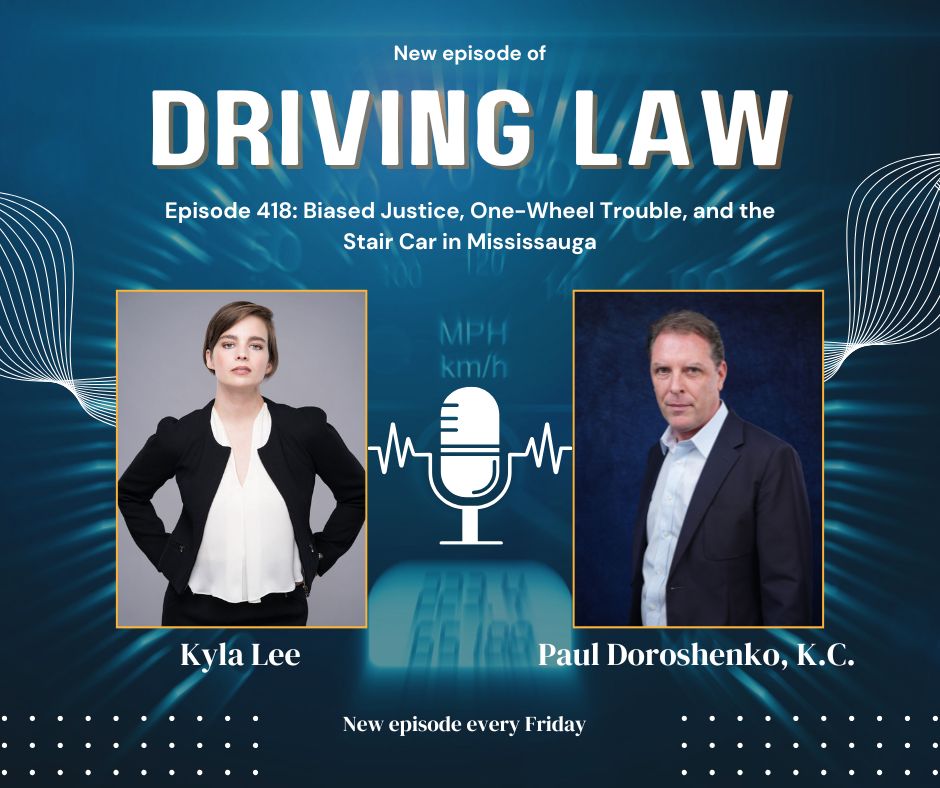
This week on Driving Law, Kyla Lee and Paul Doroshenko tackle the strange collision of judicial bias, electric one-wheeled skateboards, and one of the most absurd highway videos you’ll ever see. From questions of fairness in Vancouver traffic court to a Mississauga driver balancing a staircase on her car, Episode 418 delivers both legal insight and laughs.
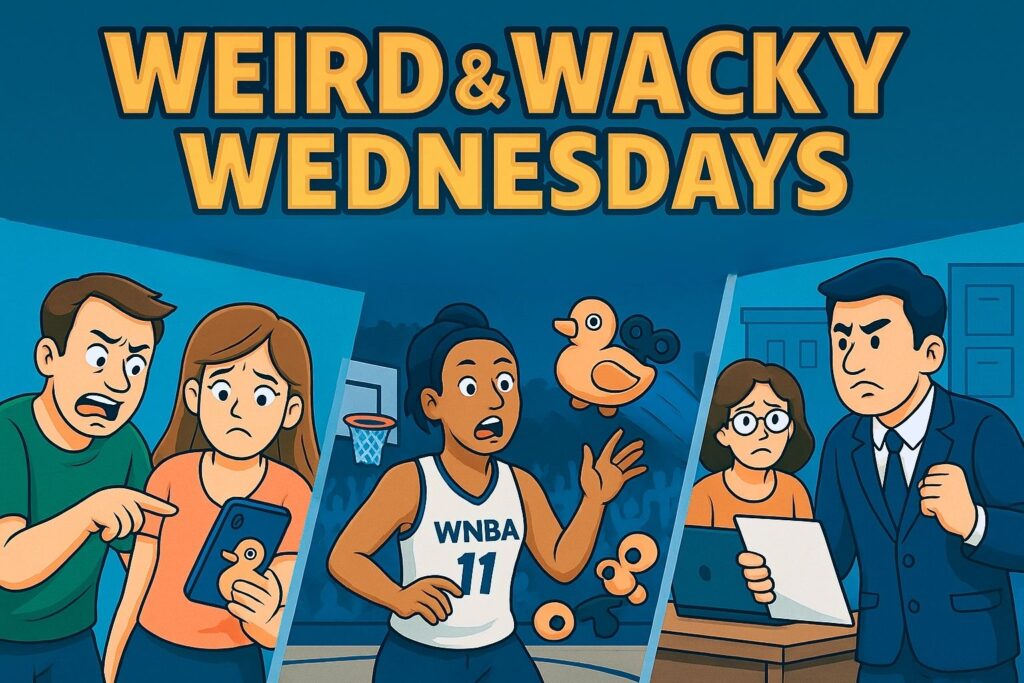
This week on Weird and Wacky Wednesdays: Sex Toy Legal Madness
Welcome to another edition of Weird and Wacky Wednesdays. The United States has no shortage of strange and ridiculous legal cases. This week’s selection focuses on sex toys. From a defamation case over a child’s toy to sports fans turning games into a spectacle to a multi-million dollar patent judgment, these stories show how bizarre the legal system can get.
Welcome to “Cases That Should Have Gone to the Supreme Court of Canada, But Didn’t!”
In this episode, Kyla Lee from Acumen Law Corporation discusses a case involving a denied adjournment request in the context of mental and physical health. During a real estate dispute, a buyer asked the court to delay a summary trial due to health-related limitations. The adjournment was denied, and the trial proceeded. The buyer lost and was ordered to pay over $150,000. On appeal and in a leave application to the Supreme Court of Canada, they argued that Canada needs a clearer, more consistent framework for health-related adjournment requests. The Court declined to hear the case—missing a critical opportunity to address fairness and access to justice for individuals with disabilities.
This week on Driving Law, Kyla Lee and Paul Doroshenko dissect three important developments in driving law and public accountability in BC.
They begin with a major delay in the ICBC double billing class action, where a technical objection from the provincial government—challenging the scope of the claim based on how “medical practitioners” was defined—has thrown the case off course. Kyla and Paul criticize the government’s interference, noting how procedural nitpicking is undermining access to justice and stalling compensation for affected individuals.
Next, breaking news hits mid-recording: the BC Court of Appeal has released a decision upholding an acquittal in a red-light fatality case involving a dangerous driving charge. Paul and Kyla unpack how the Court’s ruling reaffirms that a momentary lapse in attention—without more—is not enough to meet the legal standard for dangerous driving. The decision marks an important pushback against the expanding scope of criminal liability in driving cases.
Finally, the Ridiculous Driver of the Week is a junk removal employee caught on camera illegally dumping hazardous waste in the woods—a repeat offence in the Lower Mainland. While the company has since fired the employee, Paul and Kyla reflect on what this says about trust, accountability, and regulation in private services.
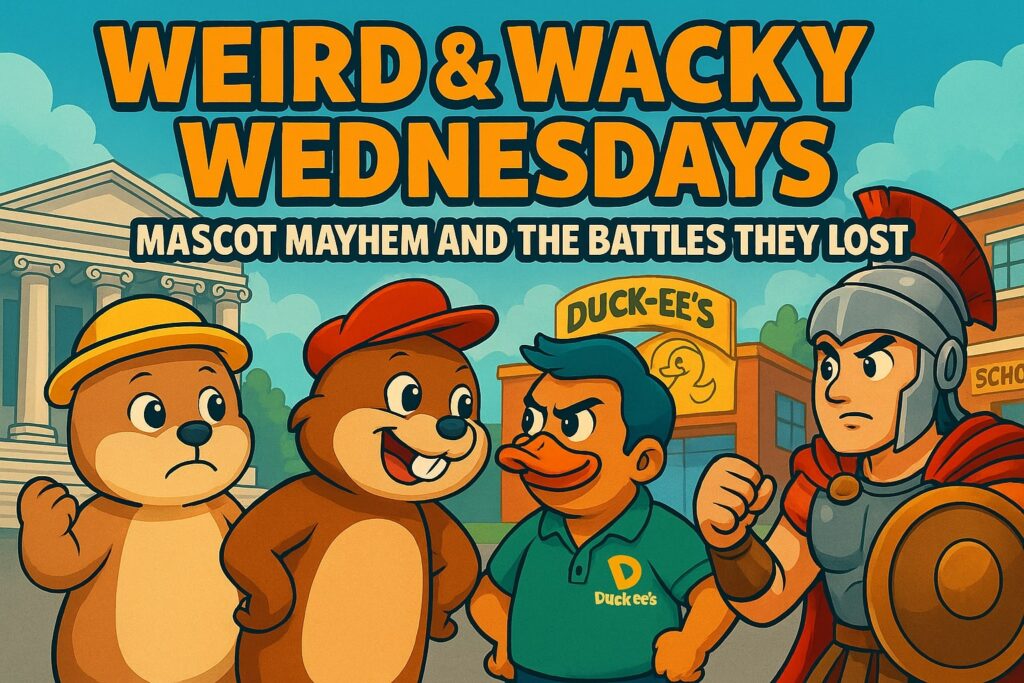
This week on Weird and Wacky Wednesdays: Mascot Mayhem and the Battles They Lost
Welcome to another edition of Weird and Wacky Wednesdays. Mascots are supposed to be fun. They entertain crowds, pose for photos, and sell merchandise. But sometimes they end up in the middle of courtroom drama. This week we look at three cases where a mascot’s copyright or trademark owner tried to take down a competitor and failed.
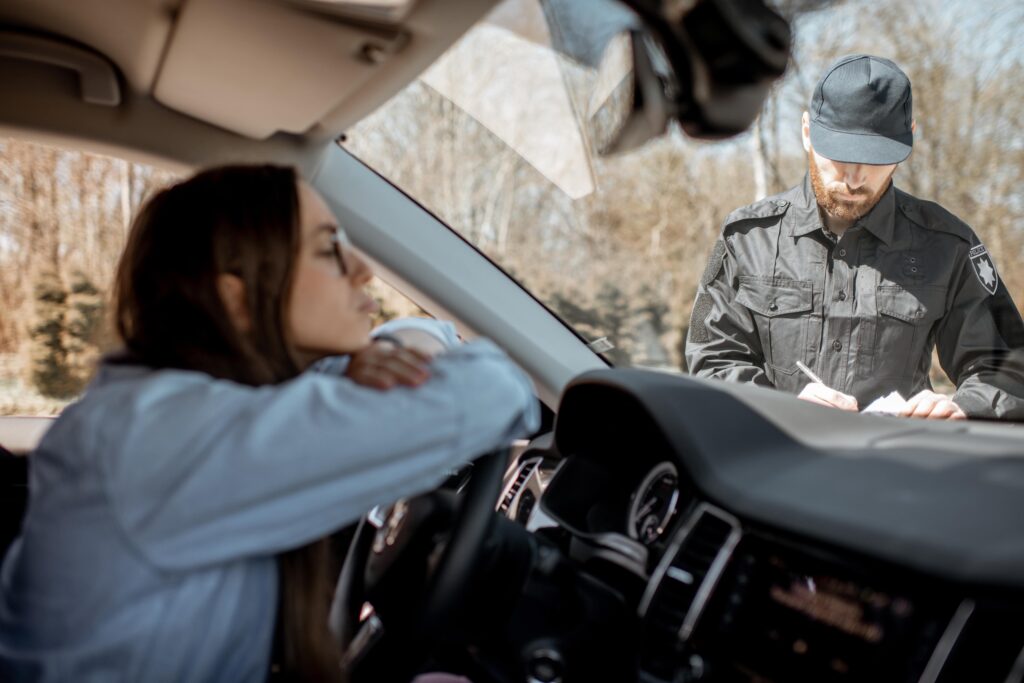
A 24-hour driving suspension in British Columbia is typically issued for suspected impaired driving or unsafe driving behaviour that causes an officer to believe on reasonable grounds that the driver’s ability to operate a motor vehicle is impaired by either a drug or by alcohol.
While this suspension may seem like a temporary inconvenience, it’s important to understand its potential impact on your driving record and how it could affect you moving forward.
Welcome to “Cases That Should Have Gone to the Supreme Court of Canada, But Didn’t!”
In this episode, Kyla Lee from Acumen Law Corporation breaks down a surprising contract case involving the use of a thumbs-up emoji. A buyer sent contract terms for the sale of flax, and the seller responded with a thumbs-up emoji. The buyer believed this created a binding agreement. The seller disagreed and refused to deliver the flax. The court found that the emoji did indicate agreement and upheld the contract. The Court of Appeal affirmed the decision. The Supreme Court of Canada declined to hear the case, leaving unresolved questions about how modern digital communication fits into established legal principles.