dui

Impaired Driving Update – BC Edition: Volume 3

Welcome to British Columbia’s only weekly DUI law update newsletter. This newsletter contains the most cutting-edge information, the newest case law, and helpful practice tips for DUI defence in BC. 

Authored by Kyla Lee, BC’s Impaired Driving Update is released weekly on Thursdays. 

What’s inside: 

  • Immediate Roadside Prohibition Review Tips! 
  • Impaired driving case updates and successes 
  • DUI Decision of the Week: an important DUI case precedent 
  • Kyla’s Insight 

Impaired Driving Update – BC Edition: Volume 3 Read More »

Impaired Driving Update – BC Edition: Volume 2

Welcome to British Columbia’s only weekly DUI law update newsletter. This newsletter contains the most cutting-edge information, the newest case law, and helpful practice tips for DUI defence in BC.

Authored by Kyla Lee, BC’s Impaired Driving Update is released weekly on Thursdays.

What’s Inside:

  • Immediate Roadside Prohibition Review Tips
  • IRP Review Decision updates and successes
  • DUI Decision of the Week: a helpful DUI case precedent
  • Kyla’s Insight

Impaired Driving Update – BC Edition: Volume 2 Read More »

Impaired Driving Update – BC Edition: Volume 1

Welcome to British Columbia’s only weekly DUI law update newsletter. This newsletter contains the most cutting-edge information, the newest case law, and helpful practice tips for DUI defence in BC.

Authored by Kyla Lee, BC’s Impaired Driving Update is released weekly on Thursdays.

What’s inside:

  • Immediate Roadside Prohibition Review Tips
  • IRP Review Decision updates and successes
  • DUI Decision of the Week: a helpful DUI case precedent
  • Kyla’s Insight

Impaired Driving Update – BC Edition: Volume 1 Read More »

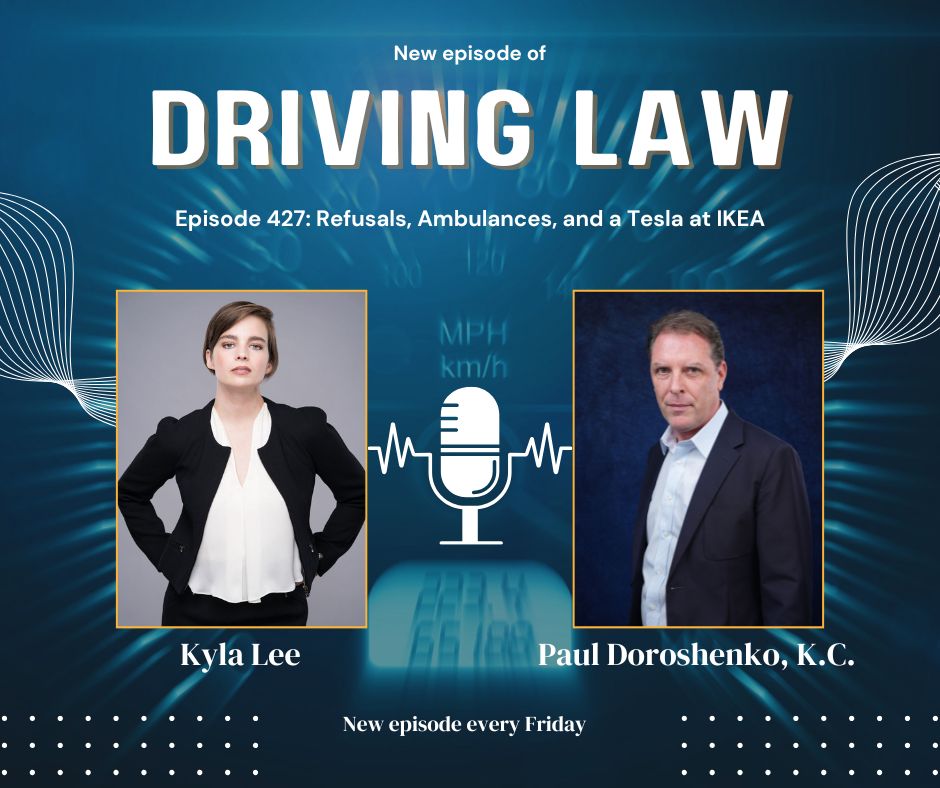
Episode 427: Refusals, Ambulances, and a Tesla at IKEA

This week on Driving Law, Kyla Lee and Paul Doroshenko unpack a B.C. refusal case testing Saskatchewan’s groundbreaking “intent to fail” ruling, explore whether police can eavesdrop in ambulances, and break down a Nova Scotia decision about mandatory jail time for impaired causing bodily harm. Plus, the Ridiculous Driver of the Week involves a Tesla and the front doors of IKEA.

Episode 427: Refusals, Ambulances, and a Tesla at IKEA Read More »

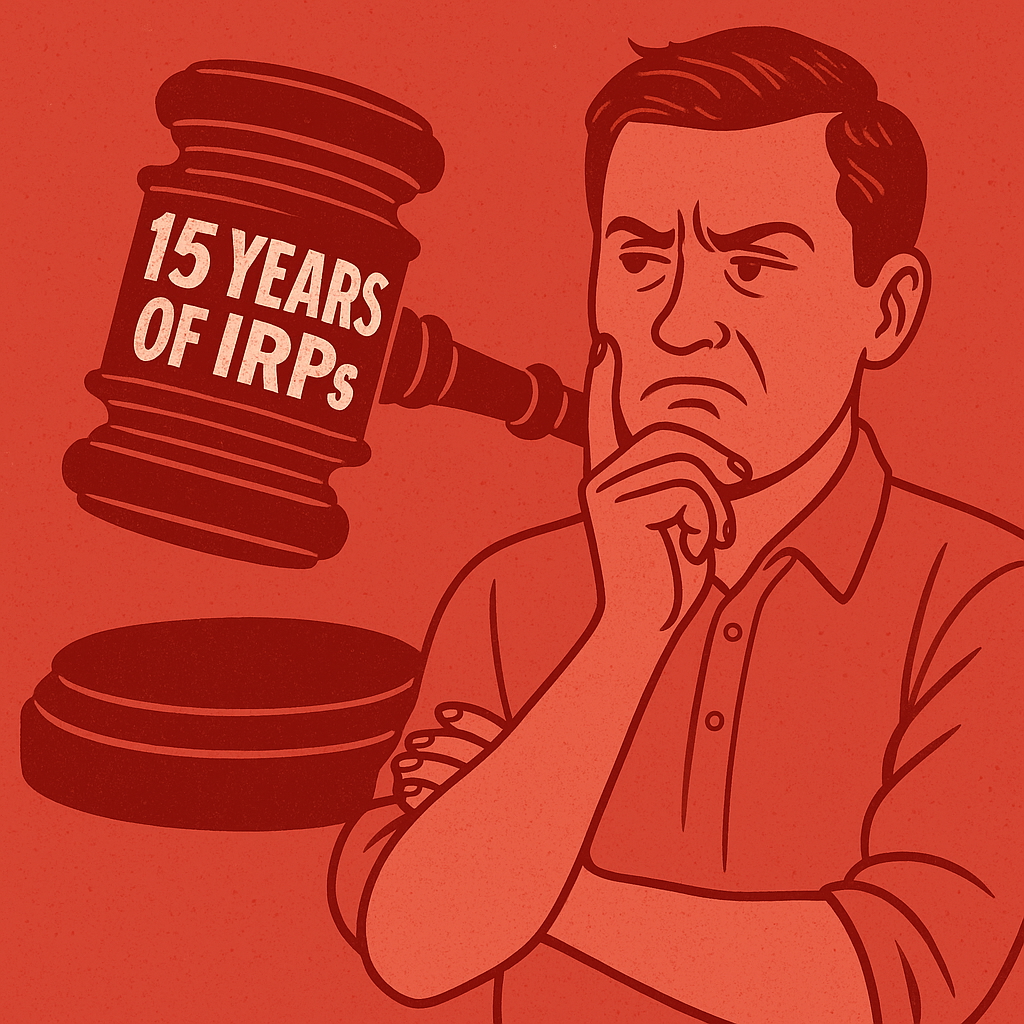
Fifteen Years Later: IRPs Have Changed Everything—Except Road Safety

It has now been fifteen years since British Columbia introduced the Immediate Roadside Prohibition (IRP) scheme. When it was rolled out in 2010, the government promised dramatic reductions in impaired driving deaths and injuries. We were told that fast, automatic penalties would save lives, scare drivers straight, and achieve results the criminal courts never could.

Fifteen years on, the numbers tell a very different story.

A Record of Empty Promises

Despite the province’s self-congratulatory press releases and dashboards, road-safety statistics over the last decade and a half show no meaningful, sustained decline in fatalities or serious injuries attributable to impaired driving. Year to year, the numbers wobble slightly up or down, but there is no clear trend that can be credited to the IRP regime. The much-touted early “drop” in collisions was a short-term blip, not a permanent transformation. 

The province continues to claim success by cherry-picking time frames or using vague “lives saved” models, but when you look at the raw figures over the last 15 years, road deaths and injuries remain stubbornly flat. If this were a business case, the shareholders would be asking hard questions about the return on investment.

The Real Reasons Roads Are Safer

Where there have been modest improvements in road safety, they are more plausibly explained by factors that have nothing to do with IRPs:

Vehicle safety advancements have played a major role. Modern cars are dramatically safer than those on the road in 2010. Advanced driver-assistance systems, electronic stability control, and better crash engineering all save lives regardless of who is behind the wheel.

Our attitudes as a society about impaired driving and dangerous driving have also shifted. Social norms have shifted. Ride-sharing services, designated drivers, and widespread public messaging mean fewer people treat drunk driving as acceptable, even without the threat of an IRP.

Sober curious and alcohol-free individuals are also making their mark on the statistics related to alcohol-impaired driving. Younger people consume less alcohol than previous generations. This demographic shift reduces impaired driving risk independent of roadside law.

Let’s not forget that older people also play a role in changing the statistical incidence of impaired driving, injury accidents, and deaths. Older drivers, who now make up a larger share of the population, are less likely to drink and drive in the first place.

Paradoxically, police now devote fewer resources to investigating collisions, which can reduce recorded numbers of impaired-related deaths or injuries without improving actual safety. This is in part due to the police being understaffed and under-resourced, as well as decisions made by provincial governments in British Columbia. The government has directed police not to attend collisions unless there is $10,000 of damage or more, a death or an injury, or a potential that somebody is intoxicated. 

None of these trends owe anything to a 15-year-old administrative penalty system. They are broader social and technological developments that would have occurred whether or not the IRP scheme existed.

Rights Sacrificed for Nothing

What makes this failure so galling is the constitutional cost. The IRP model allows police officers to impose immediate prohibitions, vehicle impoundments, and thousands of dollars in fines based on a roadside screening device and minimal paperwork. There is no presumption of innocence. No right to a full trial. Limited disclosure. Tight deadlines. For fifteen years, British Columbians have been told to accept this erosion of civil liberties because it “saves lives.” 

If the promised life-saving benefits are not materializing, then what exactly are we trading our rights for?

A Scheme in Search of a Justification

The government continues to defend IRPs as if the debate were over, but the evidence is thin. We have a system that punishes first and asks questions later, generates significant revenue through fees and penalties, and shifts the burden of proof onto ordinary citizens while insulating police and the state from meaningful accountability.

The only consistent winners are the provincial treasury and the bureaucracy that administers the program.

Time for an Honest Reckoning

After fifteen years, it is clear that the Immediate Roadside Prohibition regime has not delivered the public-safety revolution its architects promised. Roads are no safer today because of IRPs than they would have been through a combination of safer vehicles, changing drinking habits, and demographic trends. 

If the goal is truly to reduce deaths and injuries, we should be investing in evidence-based measures—better road design, expanded public transit, mandatory collision-avoidance technology—rather than doubling down on a system that tramples due process for the sake of political optics.

The IRP scheme was supposed to be bold and innovative. Instead, it has become a cautionary tale: a harsh, rights-limiting program that delivered little more than headlines and a steady stream of administrative penalties. Fifteen years later, it is time to stop congratulating ourselves and start asking whether this was ever worth the cost.
Fifteen Years Later: IRPs Have Changed Everything—Except Road Safety Read More »

15 Years of B.C.’s IRP Scheme: How We Got Here

British Columbia’s Immediate Roadside Prohibition (IRP) regime arrived in the fall of 2010 with a simple pitch: get alcohol-affected drivers off the road quickly, using swift administrative penalties rather than slow criminal prosecutions. 

From day one, it was sold as a life-saving public-safety tool. And it has certainly become the dominant impaired-driving response in this province. But the story of IRPs is also a story of constitutional litigation, policy pivots, and legislative patchwork that has reshaped how we handle alleged impaired driving in B.C.

15 Years of B.C.’s IRP Scheme: How We Got Here Read More »

The Science and “Pseudoscience” of Detecting Driving Under the Influence of Cannabis

A distressed man sitting in a car at night with a police car's flashing lights visible through the window, holding his head in frustration.

I’m often cynical of police methods for detecting impaired driving, but I am cynical with reliable science on my side. The legalization of cannabis brought attention to the problem of identifying people driving while impaired by cannabis. For our practice, understanding the scientific limitations of current detection methods is essential, because it directly impacts how we defend cannabis impaired driving cases.

The Science and “Pseudoscience” of Detecting Driving Under the Influence of Cannabis Read More »

Weird and Wacky Wednesdays: Volume 366

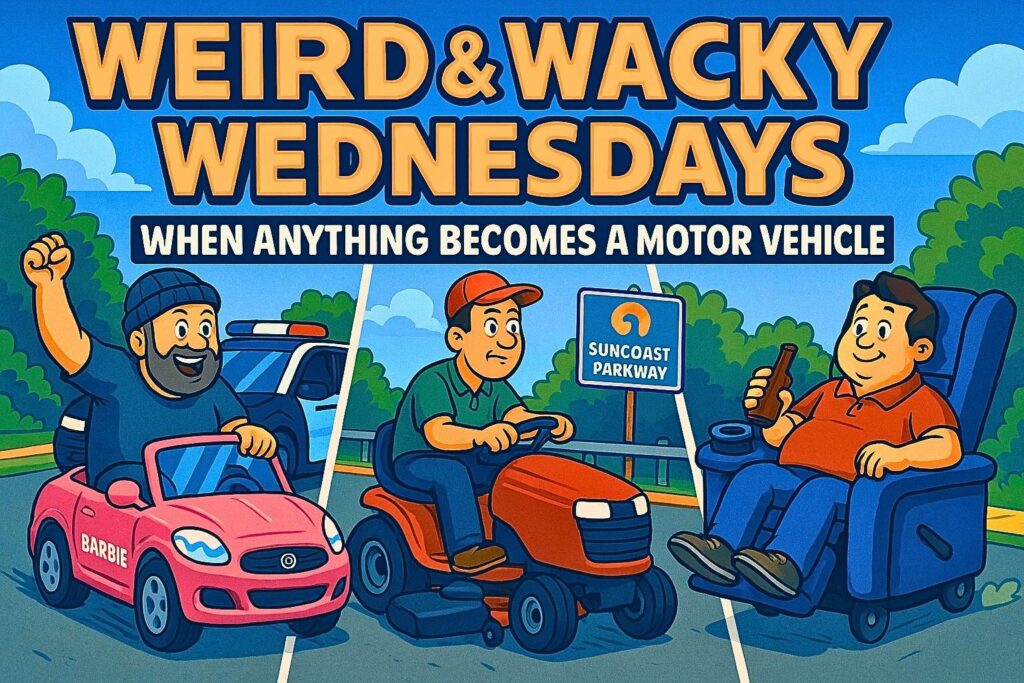
This week on Weird and Wacky Wednesdays: When Anything Becomes a Motor Vehicle

My favorite thing on Weird and Wacky Wednesdays is cases that happened in my field of practice, that is impaired driving law. I love defending impaired driving cases. I’ve been doing it for years, and each case is different. Somehow I’m always enthusiastic about reading DUI files. Even better this week, our weird and wacky stories start with one from right here in BC. I went to the Aqua concert recently. They’re the band that sings the song “Barbie Girl”. Around the same time, there was a fellow stopped driving a Barbie Jeep. Let’s start there.

Weird and Wacky Wednesdays: Volume 366 Read More »

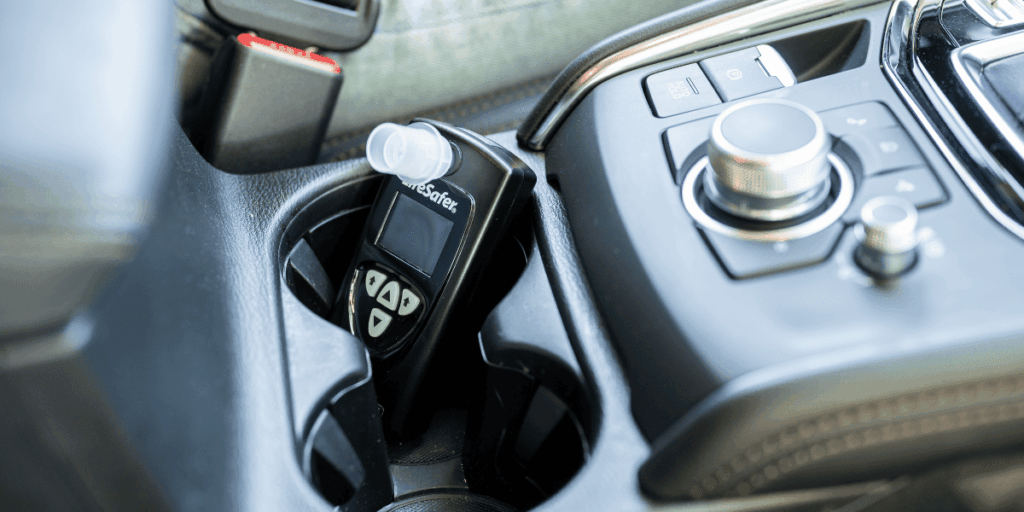
How Many DUIs Do You Need to Get a Breathalyzer in Your Car?

In British Columbia, one of the most significant consequences for multiple DUI offences or prohibitions is the installation of an Ignition Interlock in your vehicle. 

If you’ve been convicted of a DUI, particularly for a second or third offence, you may be required to have this device installed for a specified period. In addition, multiple alcohol or drug-related suspensions on your license in a five-year period, even without a criminal conviction, can still trigger these referrals. 

But how many DUIs do you need to get a breathalyzer in your car?

How Many DUIs Do You Need to Get a Breathalyzer in Your Car? Read More »

How Long is Ignition Interlock Required in BC?

Man using an ignition interlock device in his car

In British Columbia, an ignition interlock device (Ignition Interlock) is often required for individuals convicted of impaired driving or other alcohol-related incidents that have been added to their driving records. These can include 24-hour driving prohibitions, Administrative Driving Prohibitions, and Immediate Roadside Prohibitions. 

How Long is Ignition Interlock Required in BC? Read More »

Scroll to Top
CALL ME NOW