canadian law

15 Years of B.C.’s IRP Scheme: How We Got Here
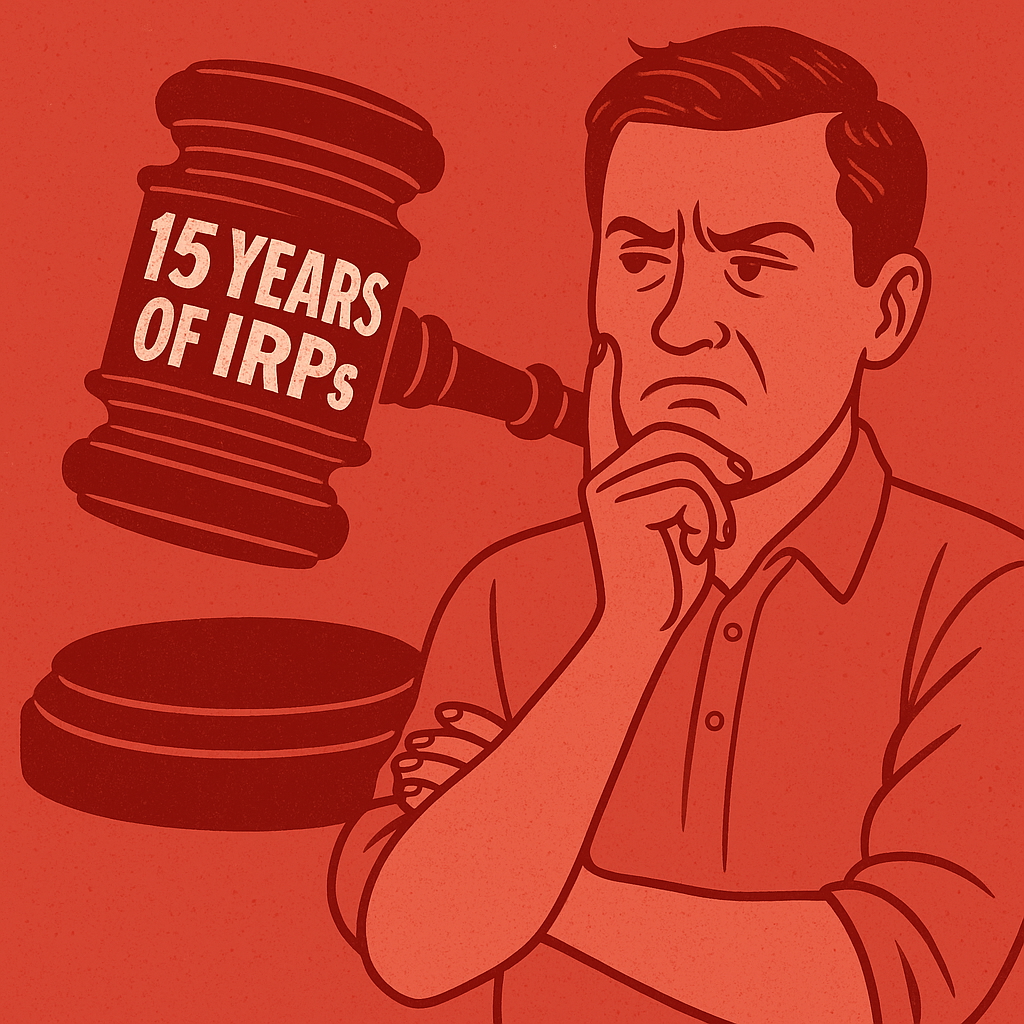
British Columbia’s Immediate Roadside Prohibition (IRP) regime arrived in the fall of 2010 with a simple pitch: get alcohol-affected drivers off the road quickly, using swift administrative penalties rather than slow criminal prosecutions. 

From day one, it was sold as a life-saving public-safety tool. And it has certainly become the dominant impaired-driving response in this province. But the story of IRPs is also a story of constitutional litigation, policy pivots, and legislative patchwork that has reshaped how we handle alleged impaired driving in B.C.

15 Years of B.C.’s IRP Scheme: How We Got Here Read More »

Plead Guilty to a Traffic Ticket and Now Regretting it? This Case May Help You. 

Police officer writing a traffic ticket on a clipboard beside a car window.

A recent decision by the Court of Appeal for British Columbia in R. v. Dancho, 2025 BCCA 258, has granted leave to appeal in a case challenging a traffic ticket. This case raises important issues that affect applications to withdraw guilty pleas in traffic ticket cases. 

The Court of Appeal Grants Leave in a Traffic Ticket Case

In Mr. Dancho’s case, the BC Supreme Court dismissed his application to extend time for filing a notice of appeal of his traffic ticket guilty plea. This came after Mr. Dancho realized the ticket had penalty points only after receiving an invoice for the Driver Risk Premium in the mail. Mr. Dancho had pled guilty in order to request a fine reduction because he had a limited income. 

The Court of Appeal granted leave because Mr. Dancho raised arguable issues that the BC Supreme Court judge misapprehended applicable legal standards, leading to errors of law. Specifically, he raised concerns about the BC Supreme Court judge’s assessment of setting aside the guilty plea. These included that she had applied an incorrect legal standard. 

Plead Guilty to a Traffic Ticket and Now Regretting it? This Case May Help You.  Read More »

Kyla Lee in CBA National: Supreme Court enters an acquittal in wrongful conviction case

Kyla Lee speaks on Supreme Court miscarriage of justice ruling. A bronze statue of a hooded figure holding a sword stands beside a stone building, with the Peace Tower of the Canadian Parliament in Ottawa visible in the background under a clear blue sky.

In a unanimous decision, the Supreme Court of Canada has ruled that a woman convicted in the 2011 drowning death of a toddler must be acquitted.

The Court clarified one of the routes of when an appeal court can enter such an acquittal and was split 5-4 in its reasons on whether the Court should engage in a framework discussion on a “discretionary acquittal.”

However, the fact that Tammy Bouvette has been at the centre of a miscarriage of justice was not in dispute.

Kyla Lee in CBA National: Supreme Court enters an acquittal in wrongful conviction case Read More »

Entrapment: Cases That Should Have Gone to the Supreme Court of Canada, But Didn’t!

Welcome to “Cases That Should Have Gone to the Supreme Court of Canada, But Didn’t!”

In this episode, Kyla Lee from Acumen Law Corporation discusses an entrapment case involving online police sting operations—and how the courts are struggling to define clear boundaries for police conduct in the digital age.

Entrapment: Cases That Should Have Gone to the Supreme Court of Canada, But Didn’t! Read More »

Scroll to Top
CALL ME NOW