Canada law

Sleeping it Off in Your Car is Not Always Lawful
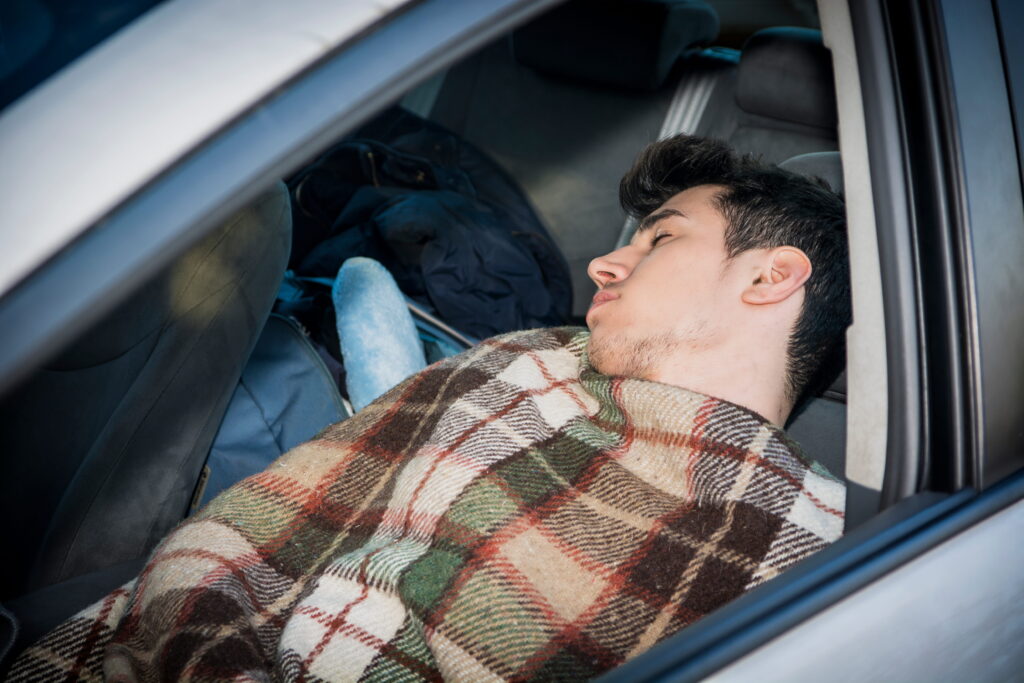
Many people think sleeping in their vehicle is a safe alternative to driving home after a night out. But in reality it is actually one of the most common ways people end up with a criminal record.

We have all heard the advice that if you have had too much to drink, you should just sleep it off in your car. However, the case of His Majesty the King v. Michael Alan Loney is a perfect example of why that plan can go sideways very quickly.

If you are sitting in the driver’s seat with the engine running, even if you are fast asleep and have no intention of moving an inch, the law in Canada views you very differently than you might expect.

Sleeping it Off in Your Car is Not Always Lawful Read More »

Drug Recognition Evaluation Tests in Canada

Police officer checking a driver's license through the car window during a traffic stop.

In Canada, the police have significant powers to demand samples of your breath, blood, or urine. However, these powers are not absolute. They are governed by strict statutory requirements and constitutional protections. A recent decision out of the Ontario Court of Justice, R. v. Wilson 2026 ONCJ 211, dismantles the Drug Recognition Evaluation (DRE) process in a massive way.

In this case, the defendant, Mr. Wilson, was involved in a motor vehicle accident. He was eventually arrested for impaired driving and taken to the station for a DRE. After the evaluation, he refused to provide a urine sample and was charged with refusing to comply with the urine demand.

The reasons for this acquittal were based on three major elements: the failure to follow the mandatory 12-step process, the trap of tunnel vision, and the pervasive risk of confirmation bias.

Drug Recognition Evaluation Tests in Canada Read More »

Episode 450: One Missed Step Can Collapse a Drug Recognition Evaluation

This week, Kyla Lee and Paul Doroshenko discuss a major decision on drug recognition evaluations and why police must strictly follow the required 12-step process in impaired driving investigations.

Episode 450: One Missed Step Can Collapse a Drug Recognition Evaluation Read More »

The Law Does not Give Credit for Bail Conditions Affecting Your Ability to Drive

If you practice criminal law in Canada, you’ve likely relied on the idea that fairness is a two-way street. If a client spends months on strict bail conditions, effectively serving some or all of their punishment before they’ve even been convicted, a judge should be able to account for that at sentencing, right?

Wrong.

The recent decision in R. v. Reid 2026 ONSC 1342 has officially confirmed that when it comes to driving prohibitions, fairness is no longer part of the equation.

The Law Does not Give Credit for Bail Conditions Affecting Your Ability to Drive Read More »

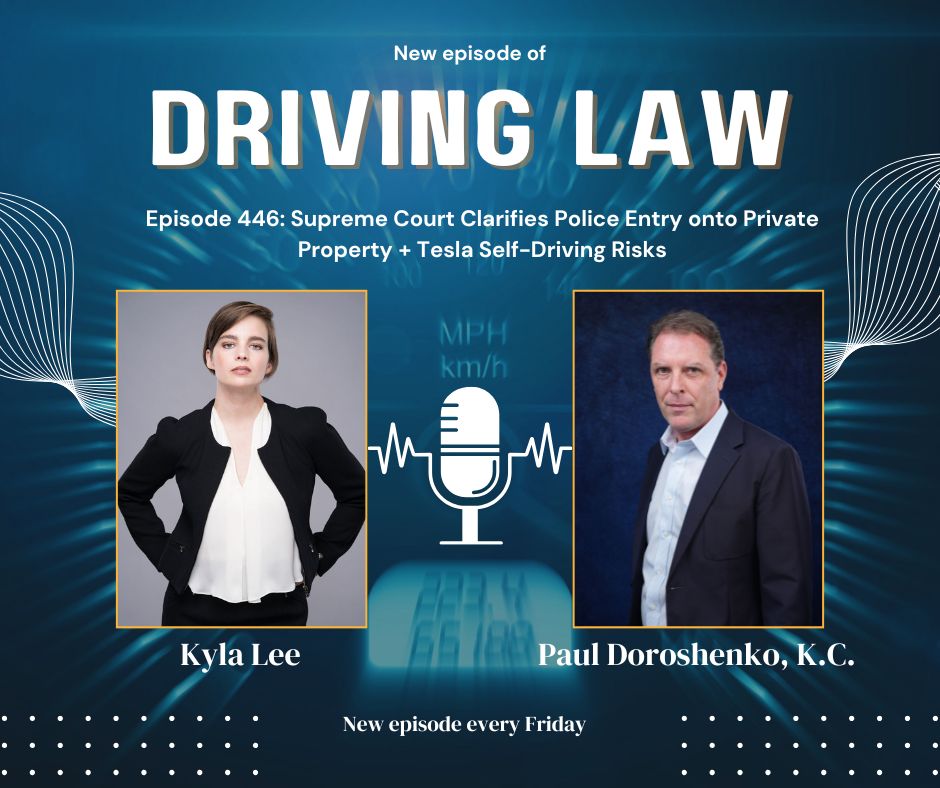
Episode 446: Supreme Court Clarifies Police Powers on Private Property

Episode 446: Supreme Court Clarifies Police Powers on Private Property Read More »

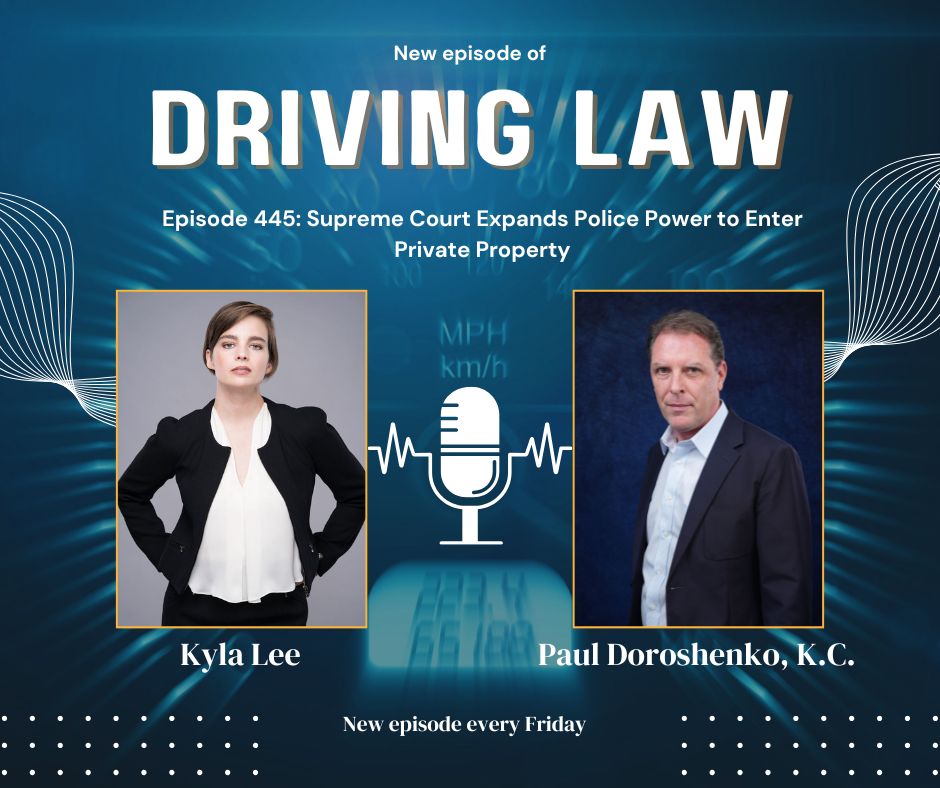
Episode 445: Supreme Court Expands Police Power to Enter Private Property

This week, we discuss a major Supreme Court of Canada decision addressing whether police can enter private property to investigate suspected impaired driving.

Episode 445: Supreme Court Expands Police Power to Enter Private Property Read More »

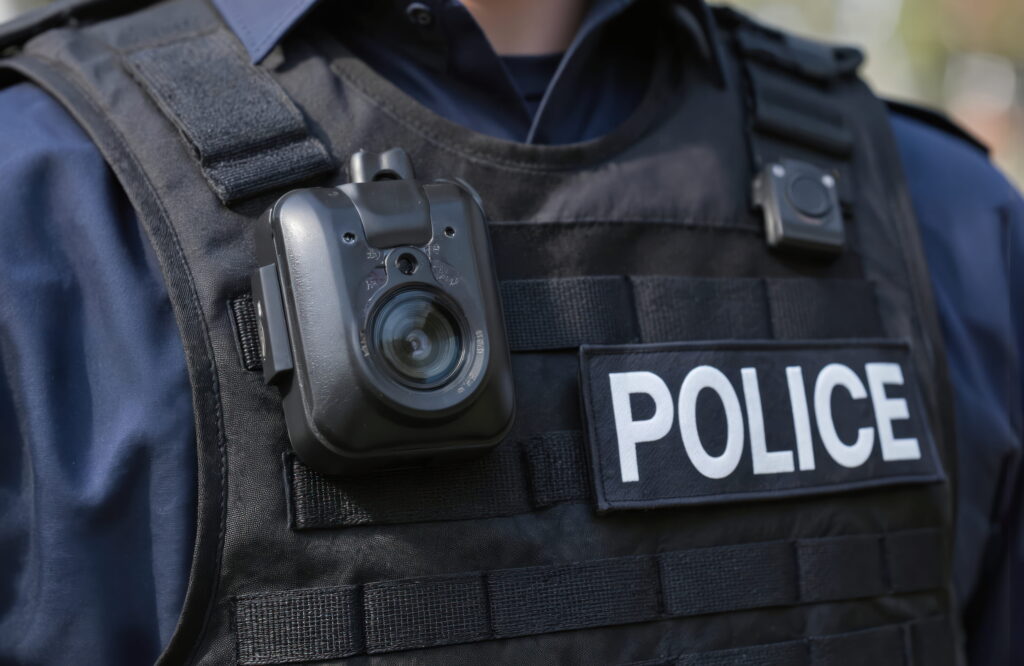
How Body Cam Video Can Help or Hurt Your Traffic Ticket Dispute

A Vancouver taxi driver. A police officer on a motorcycle. A cell phone allegedly spotted in heavy traffic on the Dunsmuir Viaduct. And a body-worn camera that the driver thought would save him.

It didn’t.

The recent BC Supreme Court case of R. v. Sandhu is one of those situations that should be required reading for anyone thinking about fighting a traffic ticket on their own. Not because the driver was wrong, but because of how badly the legal process went for him, even when he had what seemed like compelling evidence.

How Body Cam Video Can Help or Hurt Your Traffic Ticket Dispute Read More »

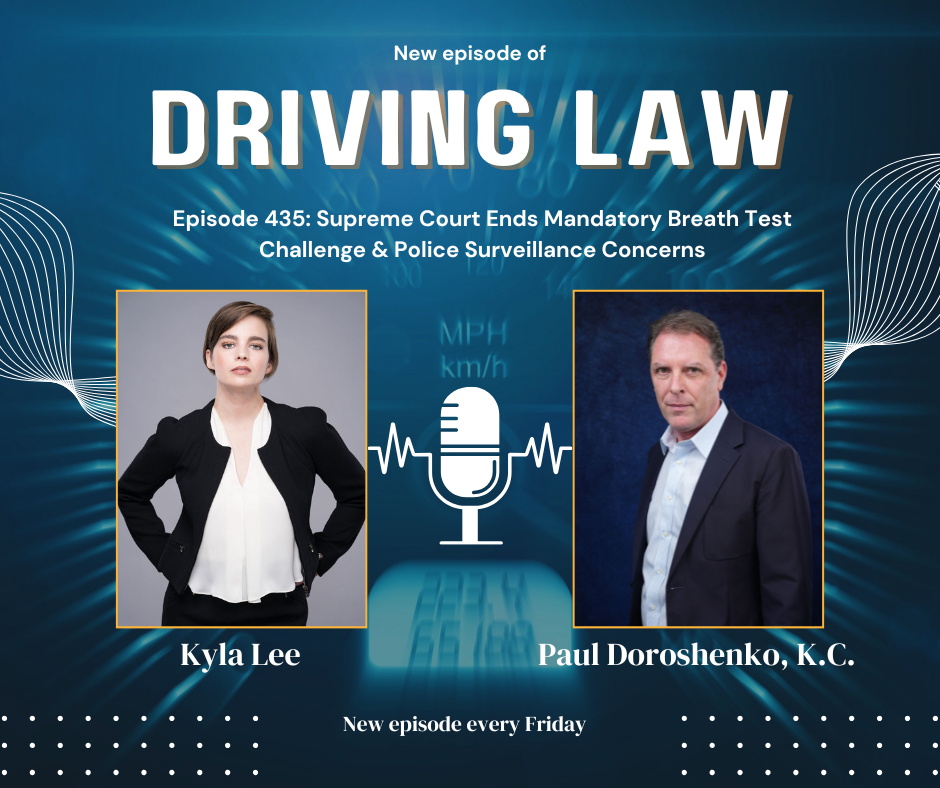
Episode 435: Supreme Court Ends Mandatory Breath Test Challenge & Police Surveillance Concerns

The Supreme Court of Canada has declined to hear the Charter challenge to mandatory roadside breath testing, bringing a major legal battle to an end. In Episode 435 of Driving Law, Kyla Lee and Paul Doroshenko break down what happened — and what comes next.

Episode 435: Supreme Court Ends Mandatory Breath Test Challenge & Police Surveillance Concerns Read More »

Scroll to Top
CALL ME NOW