The B.C. government’s 2026 budget announced a series of tax increases, capital project delays, and a reduction of 15,000 public sector jobs over three years.
Driving Law has been ranked in the Top 15 Driving and Road Safety Podcasts by MillionPodcasts.com. Million Podcasts publishes curated podcast rankings designed to highlight standout shows in specific industries, and their Driving and Road Safety list is considered one of the most comprehensive rankings available online. Podcasts are assessed based on factors like Apple review count, Apple and Spotify ratings, monthly listeners, activity level, subject expertise, and overall authority in the space. I’m proud to see Driving Law recognized alongside other leading voices in this area!
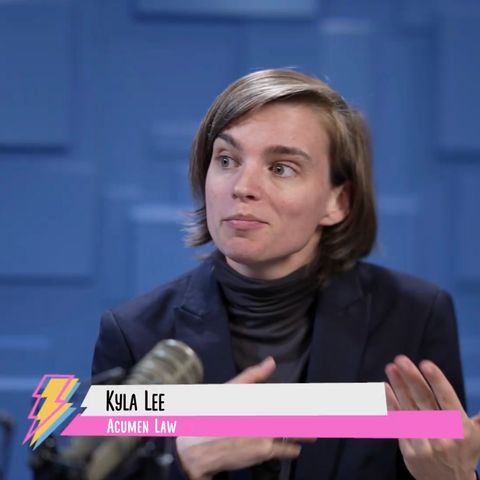
Independent B.C. MLA Tara Armstrong and the Centre for Israel and Jewish Affairs (CIJA) are calling on Ottawa to deny U.S. live streamer Hasan Piker entry into Canada — despite him having no criminal record. Politics, free speech, and Canada’s visa and entry rules collide: Can Canada legally block entry of a U.S. citizen based on what they’ve said online? This is VANCOLOUR host Mo Amir is joined by lawyer Kyla Lee to break down Canada’s visa laws, who actually has the authority to deny entry, what qualifies someone as a “terrorist” under Canadian law, and whether blocking Hasan Piker would withstand legal scrutiny.
On the Coast’s Soapbox Social panelists Mo Amir and Kyla Lee weigh in with CBC’s Gloria Macarenko on the growing race for Vancouver’s next mayor, how things could shape up and who a crowded field favours.
Quebec v. Luamba is a Supreme Court of Canada case currently being heard about whether police can legally stop drivers without any specific suspicion. Quebec’s courts struck down the province’s random stop law after finding it leads to disproportionate stops of Black drivers and violates Charter rights, particularly freedom from arbitrary detention and equality rights. The Supreme Court is now deciding whether that ruling should stand and could reshape how police powers are exercised across Canada.
The head of B.C.’s extortion task force is walking back comments he made Tuesday that the region is not in an extortion crime-related crisis after Premier David Eby demanded he step up his urgency or step down from his role…
“…There are situations where something becomes a crisis and that allows government to make emergency orders, which can then allow the government to do more than they would otherwise be legally permitted to do. So, labelling it a ‘crisis’ I think in the legal context, is getting into that dangerous territory…”
What really happens when you’re charged with impaired driving or DUI? In this in-depth interview, a criminal defence lawyer specializing in driving-related offences explains how impaired driving cases are built, challenged, and defended in court. We explore roadside stops, police procedures, breathalyzer and blood testing, Charter rights, and common errors that can impact a case. This conversation focuses on the driver’s legal rights, how defence lawyers analyze police conduct, and why impaired driving charges are not as straightforward as many people assume. Topics covered include:
DUI and impaired driving charges explained
Police roadside stops and legal limits
Breathalyzer and testing procedures
Charter rights and procedural errors
How defence lawyers challenge evidence
What drivers should know after being charged This video is for educational purposes only and does not constitute legal advice. Laws vary by jurisdiction. If you or someone you know is facing a driving-related charge, understanding the legal process is critical.
The B.C. government has confirmed that its ill-fated pilot program to decriminalize drugs will end on January 31st.
“I find it really hypocritical the way the government is talking about how ‘we don’t want to involve people in the criminal justice system, we want to get them into healthcare’ but they have never made the proper investment into the healthcare, into the treatment… We already have a healthcare crisis in this province with E.R.s shutting down all over because of understaffing…”
“Arresting people and putting them in jail has never gotten people to stop using drugs. It’s never stopped the flow of toxic drugs. Nothing is going to change and I think the number of deaths is going to increase.”