Blog
Cannabis and the Border: Your Privacy Rights
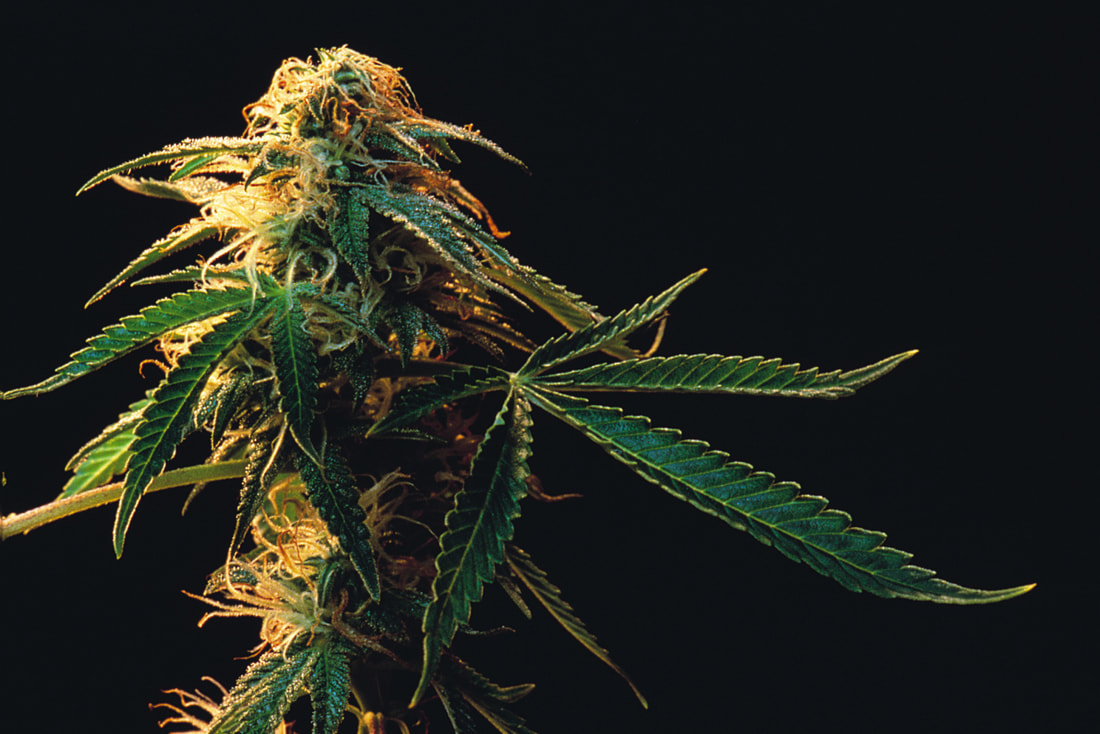
A significant issue that has arisen since the announcement of legalization of recreational cannabis in Canada has been cross-border travel. The United States government still considers cannabis to be an illegal drug, and those who admit to using cannabis and working in the cannabis industry face the potential of lifetime bans on entry into the United States.
Practically speaking, this means that if mom and dad admit to smoking pot, they may be prevented from taking the kids to Disneyland on the family vacation. Or a person who works at a dispensary may be denied entry and not permitted to travel to the United States for a medical procedure not available in Canada.
The consequences are significant and there is a lot that is unknown about how Canadian legal cannabis use will impact border travel.
Cannabis and the Border: Your Privacy Rights Read More »
Driving Law: Episode Thirteen

This week is exciting as I get to announce the creation of the Driving Law Podcast Twitter Account! Driving law is the only legal podcast that I know about that also has its own Twitter page. So that’s super exciting and fun. In addition to our exciting announcement, the Driving Law Podcast is now live for Friday, July 13, 2018.
This week, Paul Doroshenko and I speak about the decision by Greyhound to cease service on all but one of its Western Canada routes. Next, we talk about some of the hurdles the Crown will face in the prosecution of the Humboldt Broncos bus crash, and look a little deeper at the bail conditions he was placed on. Finally, we talk about a recent report in Alberta about driver licensing centres and the fraud, bribery, and sexual assault allegations that have recently come to light.
You can catch this week’s episode on iTunes, SoundCloud, or on PlayerFM.
Driving Law: Episode Thirteen Read More »
Weird and Wacky Wednesdays: Volume Seven

In the seventh installment of my Weird and Wacky Wednesdays series, we look at the case of a man who was so tired of not getting his fifteen minutes, he made his own made-for-TV experience. Next, we dive into… well, what the police really dove into in a drug trafficking investigation. And finally, we consider yet another really good reason to quit smoking cigarettes.
All on this week’s edition of Weird and Wacky Wednesdays!
Weird and Wacky Wednesdays: Volume Seven Read More »
Law Society could have done more to help Indigenous lawyer

The Law Society of BC’s treatment of an Indigenous lawyer fell short of its anti-discrimination obligations, the Supreme Court of British Columbia has ruled. It found the public body failed to adequately take into account the background and personal circumstances of lawyer Miranda Moore, who is of Anishnaabe ancestry and a member of the Cote First Nation, when deciding on her transfer from the Law Society of Alberta to BC. This case highlights some of the challenges Aboriginal members of the legal profession face and it suggests that, despite recent progress, law societies across Canada are still not doing as much as they should to make the bar and the bench more inclusive.
Ms. Moore had applied to the Law Society of BC to transfer from her former regulating body, the Law Society of Alberta (LSA). She also applied to practice in BC on a temporary basis until the transfer was decided.
Ms. Moore had applied to the Law Society of BC to transfer from her former regulating body, the Law Society of Alberta (LSA). She also applied to practice in BC on a temporary basis until the transfer was decided.
………………………
Law Society could have done more to help Indigenous lawyer Read More »
Judicial Justice Was Right to Criticize Bail System

The case of an Ontario Justice of the Peace facing discipline for speaking out about a dysfunctional court system is very troubling for the integrity of the justice system. However, it is not so for the reasons one may initially think.
Complaints have been filed against Julie Lauzon, a Justice of the Peace sitting in Ottawa. The complaints were initiated after Lauzon published a scathing editorial in the National Post, criticizing what she called a “broken” bail system in the Ontario courts. In Ontario, justices of the peace preside over bail hearings. They also, as in British Columbia, perform other judicial functions such as reviewing applications for search warrants.
The basis of the complaints was a concern that Ms. Lauzon’s article brought the administration of justice into disrepute, by publicly denigrating the reputation of Crown counsel and thereby also raised a reasonable apprehension of bias against the Crown. The complaints allege that Ms. Lauzon’s article harmed the justice system.
I call foul.
Judicial Justice Was Right to Criticize Bail System Read More »
Weird and Wacky Wednesdays: Volume Seven
In honour of the 4th of July, I decided to make this week’s edition of Weird and Wacky Wednesdays focus on weird and wacky legal cases that are distinctly American. From the Flintstones Vitamins of the rave scene, to the multi-million dollar legal award for “mental anguish” after a botched music festival, to a man who loved his girlfriend just a little too much, this week is a roundup of crazy legal cases that will make you shake your head and say “Only in America.”
Weird and Wacky Wednesdays: Volume Seven Read More »
BC Court of Appeal case shows the lack of oversight for mandatory vehicle impoundment

An aspect of the Motor Vehicle Act that rarely gets discussed, but in my opinion deserves to be because it’s hugely unfair, is mandatory vehicle impoundment.
Under the Section 251 of the Act police have the power to impound your vehicle for a variety of reasons, including if they have reasonable grounds to believe you have a driving prohibition, your licence has been suspended, you have been racing or you have been driving at excessive speed (anything more than 40km/hr over the posted speed limit).
Under the Section 251 of the Act police have the power to impound your vehicle for a variety of reasons, including if they have reasonable grounds to believe you have a driving prohibition, your licence has been suspended, you have been racing or you have been driving at excessive speed (anything more than 40km/hr over the posted speed limit).
BC Court of Appeal case shows the lack of oversight for mandatory vehicle impoundment Read More »
What Tomorrow’s SCC Decision in R. v. Suter Means for Random Breath Testing

Tomorrow the Supreme Court of Canada will be releasing reasons in a highly-anticipated appeal in the impaired driving world.
Richard Suter entered a guilty plea to refusal to provide a sample of his breath, after an accident causing death. He was having an argument with his wife, when he pressed angrily on the gas pedal. His intention was to hit the brake. His vehicle collided with a restaurant patio, striking several people and killing a small boy.
What is interesting about this case is that after Mr. Suter was arrested for impaired driving, he was given legal advice not to provide a sample. It is a criminal offence to refuse to blow, and this legal advice was incorrect. Mr. Suter nevertheless pled guilty, and sentenced to four months jail. On appeal, the Court of Appeal increased the jail term to 26 months. The issue on appeal was whether the incorrect legal advice gave rise to a mistake of law that ought to have allowed Mr. Suter a lighter sentence.
What Tomorrow’s SCC Decision in R. v. Suter Means for Random Breath Testing Read More »
