breathalyzer

Can Police Swap Legal Justifications For Demands After the Fact? 
Every so often a judgment comes along that quietly rewrites the rules while pretending nothing has changed. R. v. Jerlo is one of those decisions. On its face, it looks like a simple impaired-driving case involving a self-represented accused and a helpful amicus. 

Underneath, it signals a quiet but substantial erosion in search-and-seizure protections, effectively giving police permission to retrofit their legal justification for a roadside breath demand after the fact. And because the accused was self-represented, the only pushback came through an amicus whose mandate stopped well short of mounting the vigorous constitutional challenge this issue deserved.

Can Police Swap Legal Justifications For Demands After the Fact?  Read More »
The Supreme Court Rules on What the Crown Must (and Must Not) Prove in Impaired Driving Cases

On November 14, 2025, the Supreme Court of Canada (SCC) delivered its judgment in R. v. Larocque, 2025 SCC 36, a companion case to R. v. Rousselle, 2025 SCC 35. This ruling clarifies the Crown’s evidentiary burden when prosecuting the “80 and over” offence, focusing specifically on how much information about the alcohol standard used in breath testing must be proven at trial.

The case revolved around Stéphane Larocque, who was stopped at a sobriety checkpoint and subsequently charged with operating a motor vehicle with a blood alcohol concentration (BAC) equal to or exceeding 80 mg percent. At trial, the Crown introduced certificates from the qualified technician and two analysts to satisfy the preconditions required to utilize the statutory presumption of accuracy in s. 320.31(1) of the Criminal Code.

The issue before the SCC was technical but highly significant: Must the Crown prove the specific numerical target value of the alcohol standard used during the system calibration check to benefit from the presumption of accuracy for breath sample analysis results?

The Supreme Court Rules on What the Crown Must (and Must Not) Prove in Impaired Driving Cases Read More »

Did the SCC Eliminate Impaired Driving Defence Technicalities?

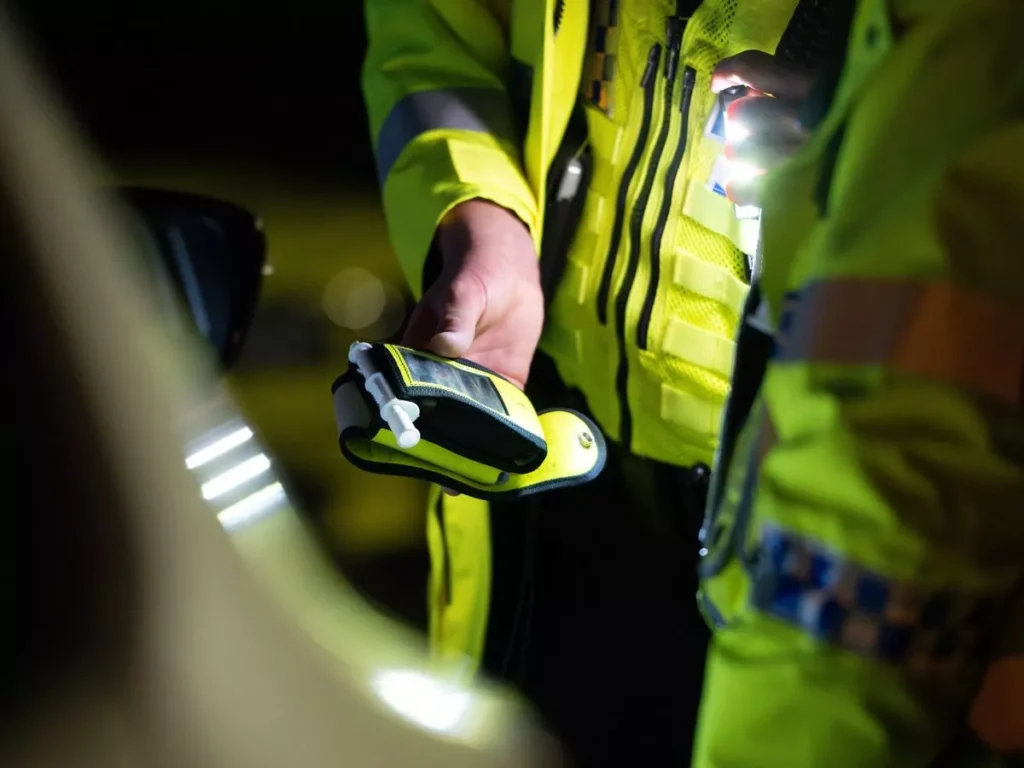
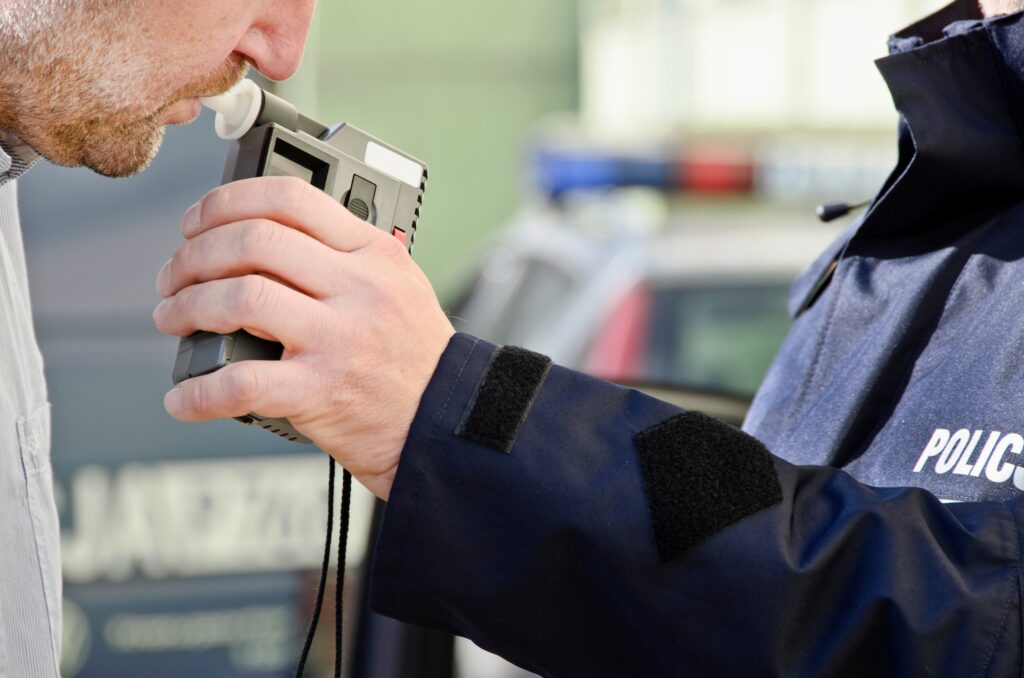
Close-up of a police officer conducting a breathalyzer test on a driver to check for blood alcohol levels.

On November 14, 2025, the Supreme Court of Canada (SCC) settled a nationwide debate regarding breath alcohol testing evidence. In its decision, R. v. Rousselle, 2025 SCC 35, a companion case to R. v. Larocque, 2025 SCC 36, the Court confirmed that the Crown is not required to call an analyst to testify or file documents from the analyst in every impaired driving case to prove the reliability of the alcohol standard used in breath testing.

The central question was one of evidence: could the Crown rely solely on the certificate of the qualified technician, a police officer operating the approved instrument, to prove a precondition that the alcohol standard used was certified by an analyst?. The SCC answered a resounding yes.

Did the SCC Eliminate Impaired Driving Defence Technicalities? Read More »

Episode 430: Mandatory vs. Suspicion Demands, Uber Drivers, & Christmas Lights

This week on Driving Law, Kyla and Paul take on a deeply concerning Ontario ruling that blurs the line between lawful and unlawful ASD demands, raising major Charter implications. They also dig into a BC guilty plea decision affecting Uber drivers, Ontario’s proposal for child-support penalties, and a festive but illegal Ridiculous Driver of the Week.

Episode 430: Mandatory vs. Suspicion Demands, Uber Drivers, & Christmas Lights Read More »

Episode 428: Supreme Court’s “Goldson” Decision – Breath Tests, Due Process, and a Bus Heist

The Supreme Court of Canada handed down decisions this week that mark a dark day for fair trial rights in Canada. In the Goldson line of cases, the Court ruled that prosecutors don’t have to file both the qualified technician’s and the analyst’s certificates for breath-test calibration — a shortcut that keeps key evidence out of reach for the defence.

Episode 428: Supreme Court’s “Goldson” Decision – Breath Tests, Due Process, and a Bus Heist Read More »

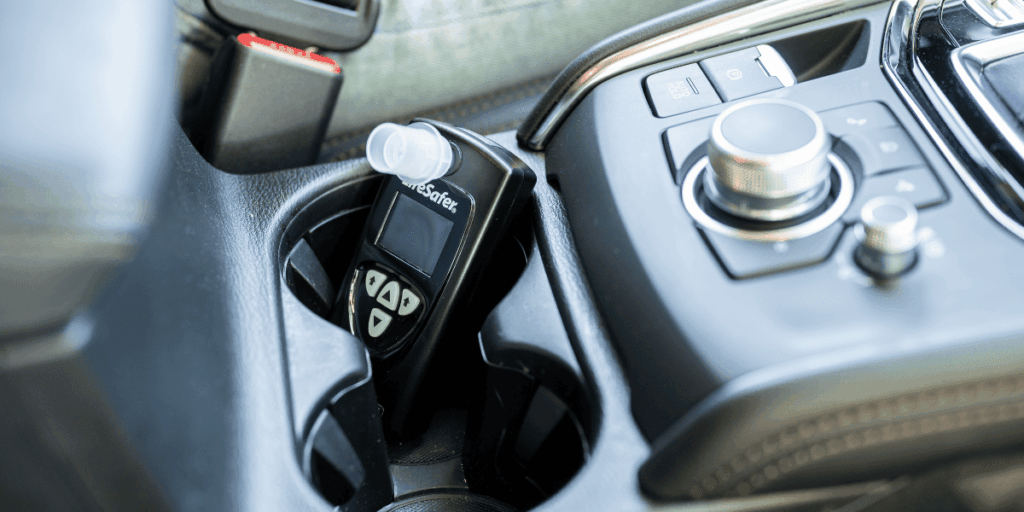
How Many DUIs Do You Need to Get a Breathalyzer in Your Car?

In British Columbia, one of the most significant consequences for multiple DUI offences or prohibitions is the installation of an Ignition Interlock in your vehicle. 

If you’ve been convicted of a DUI, particularly for a second or third offence, you may be required to have this device installed for a specified period. In addition, multiple alcohol or drug-related suspensions on your license in a five-year period, even without a criminal conviction, can still trigger these referrals. 

But how many DUIs do you need to get a breathalyzer in your car?

How Many DUIs Do You Need to Get a Breathalyzer in Your Car? Read More »

10 Common Mistakes People Make During a DUI Investigation

Driver sitting in a car being stopped by a police officer, who is checking a device, possibly related to impaired driving enforcement.

DUI investigations are high-pressure situations that often lead individuals to make mistakes that can significantly impact their cases. Understanding these common errors can help you protect your rights and minimize the consequences of a potential DUI investigation.

Here are the top 10 mistakes people commonly make during a DUI investigation, along with practical advice on how to avoid them.

10 Common Mistakes People Make During a DUI Investigation Read More »

How Fruit Can Get You a DUI!

A woman wearing sunglasses sits in the driver’s seat of a car, eating a ripe plum while holding a bowl full of plums.

If you’re facing a DUI or an immediate roadside prohibition (IRP), you’re probably feeling stressed and confused. Especially if you believe you are innocent. You might be led to believe that the breathalyzer test is the ultimate, infallible piece of evidence.

But what if I told you that something as innocent as a piece of fruit could potentially skew the results of a roadside breathalyzer and lead to a false positive? It sounds crazy, but it’s true, and it’s an important piece of information for anyone worried about a DUI where they believe they are innocent.

How Fruit Can Get You a DUI! Read More »

Why Unreliable Breathalyzer Tests are Such a Big Concern in British Columbia

In British Columbia, people can be punished on the basis of a single result on a roadside breathalyzer test. The problem with this method of punishment is that it eliminates the need for all of the procedural safeguards that are otherwise followed in a criminal investigation to ensure that breathalyzer test produce a reliable reading.

This means that many breathalyzer tests that are conducted do not produce reliable results, and this is because factors that can affect the reliability of the test are not identified or noticed by police officers.

Why Unreliable Breathalyzer Tests are Such a Big Concern in British Columbia Read More »

Hand Sanitizer Can Cause You To Fail a Breathalyzer… even if you don’t use it!

As we all know, during these crazy times of Covid-19, hand sanitizer has become everyone’s most important item. It has become second nature for most people that you immediately reach for the hand sanitizer and lather up your hands with the stuff after exiting any place that wasn’t your home or car.

Hand Sanitizer Can Cause You To Fail a Breathalyzer… even if you don’t use it! Read More »

Scroll to Top
CALL ME NOW