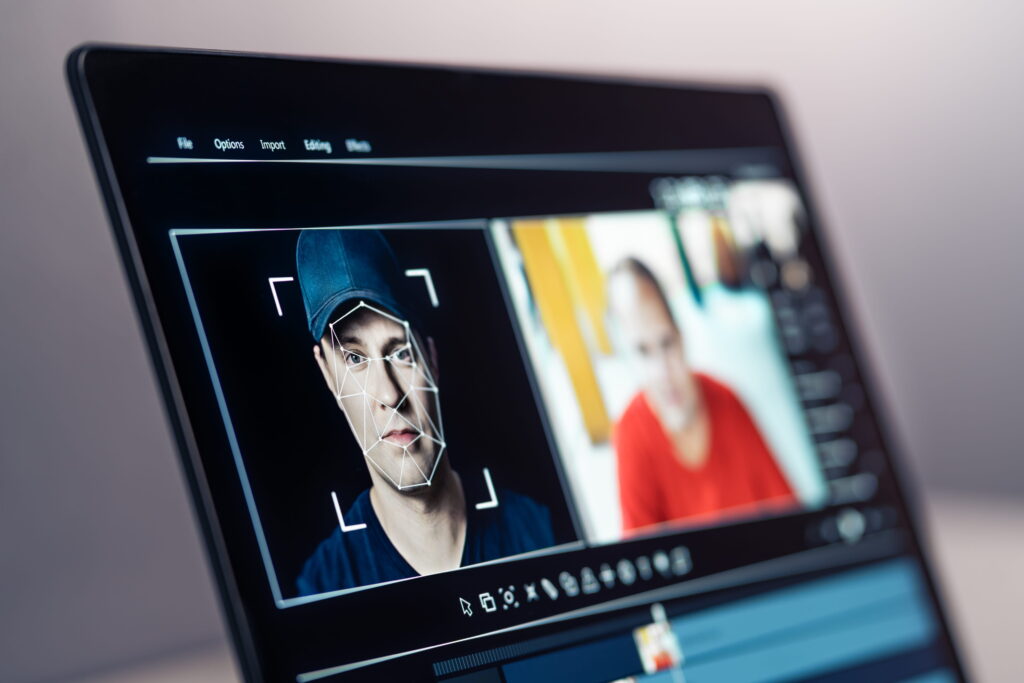
The rapid rise of generative AI has introduced a new challenge for the Canadian legal system: the deepfake. In the recent decision of R. v. Medow, the court conducted a seminal analysis of how courts must address allegations of manipulated digital evidence. This case is a blueprint for judges navigating the murky waters of AI-generated content in criminal trials.
Welcome to Cases That Should Have Gone to the Supreme Court of Canada, But Didn’t!
In this episode, Kyla Lee from Acumen Law Corporation explores a case out of Saskatchewan that challenged the constitutionality of mandatory alcohol screening. After being required to provide a breath sample without any suspicion of impairment, the accused argued that this random breath testing violated Charter rights. The Saskatchewan Court of Appeal was split on the decision, with one judge finding the law unconstitutional. Despite the national impact of mandatory screening, the Supreme Court of Canada refused to hear the case.
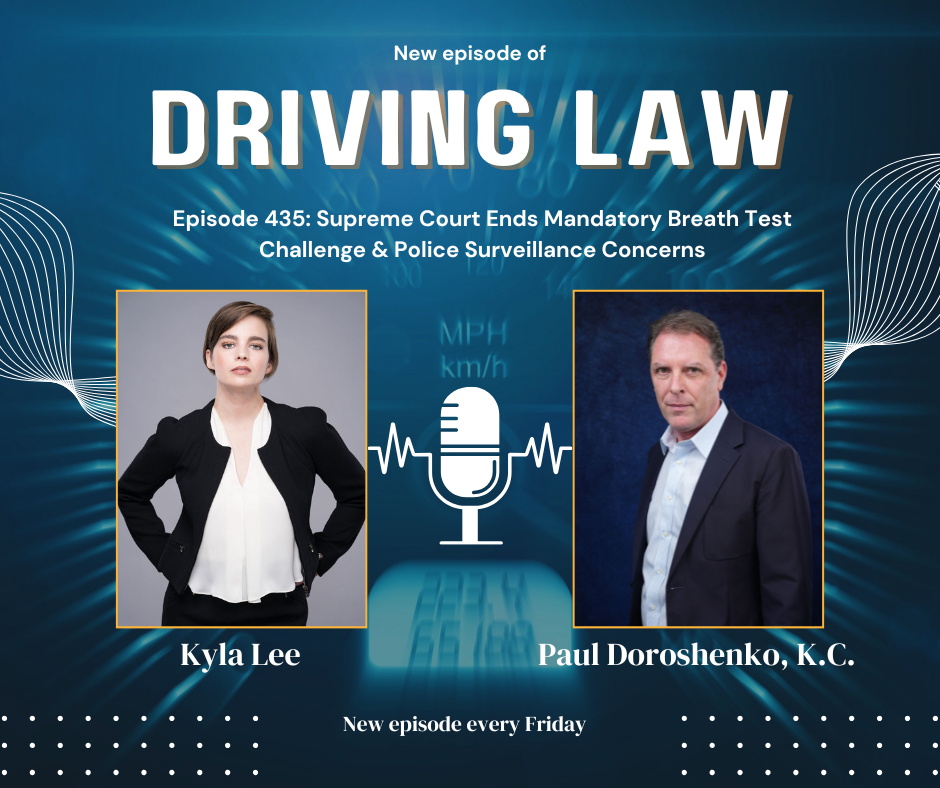
The Supreme Court of Canada has declined to hear the Charter challenge to mandatory roadside breath testing, bringing a major legal battle to an end. In Episode 435 of Driving Law, Kyla Lee and Paul Doroshenko break down what happened — and what comes next.
Welcome to British Columbia’s only weekly DUI law update newsletter. This newsletter contains the most cutting-edge information, the newest case law, and helpful practice tips for DUI defence in BC.
Authored by Kyla Lee, BC’s Impaired Driving Update is released weekly on Thursdays.
This week on Weird and Wacky Wednesdays: Fly sober or get pulled over
I love to fly and I am very thankful to our national air carrier for treating me so well over the years. I wouldn’t call myself a nervous flyer. I also really like these shows where investigators forensically analyze air crashes. So every time I fly and I hear the sober voice of the pilot coming on, I am reassured that I will safely reach my destination on a relaxing flight. But of course there are tens of thousands of airplanes flying every day and occasionally the voice of the pilot is not a sober voice.
This week on Weird and Wacky Wednesdays we’re going to look at two recent cases where, thankfully, authorities figured out the pilot wasn’t sober before the plane took off, and then a third where we get to see what happens when there is an impaired pilot on the flight deck mid-flight.
If you remember one phrase when dealing with the police, it should be this: “lawyer told me not to talk to you.” That line is more than a meme or a slogan. It captures a core legal protection that exists to shield ordinary people from accidentally harming themselves during police investigations.
Understanding your right to silence can make the difference between protecting yourself and creating evidence the police did not already have.
Mandatory alcohol screening is expanding in parts of Canada, while courts continue to clarify what police can and cannot do after an arrest. In Episode 434 of Driving Law, Kyla Lee and Paul Doroshenko examine new enforcement trends and an important right-to-silence decision.
This week on Weird and Wacky Wednesdays: Bad Science Ends in Court
I learned to love science when I started working with a former RCMP toxicologist in my last year of law school. One of the nice things about DUI law is there is a lot of science, and as my career continued, I discovered there is a lot of bad science backing the assumptions police and prosecutors urge upon the courts. Bad science gets published. It gets funded. It gets defended with remarkable confidence. Most of the time, it only collapses when someone starts asking probing questions.
Here are three weird and wacky law stories where science wandered into the legal system and did not enjoy the experience.