This week, we discuss a major Supreme Court of Canada decision addressing whether police can enter private property to investigate suspected impaired driving.
Welcome to British Columbia’s only weekly DUI law update newsletter. This newsletter contains the most cutting-edge information, the newest case law, and helpful practice tips for DUI defence in BC.
Authored by Kyla Lee, BC’s Impaired Driving Update is released weekly on Thursdays.
As a lawyer, I often tell clients that your home is your castle. It is a foundational principle of our legal system that the state cannot cross your threshold without a warrant. However, the Supreme Court of Canada’s recent decision in R. v. Singer reveals that this principle is not absolute, neither when it comes to members of the public nor the police.
This case explores the delicate balance between your Charter rights and the ever-expanding reach of police investigative powers.
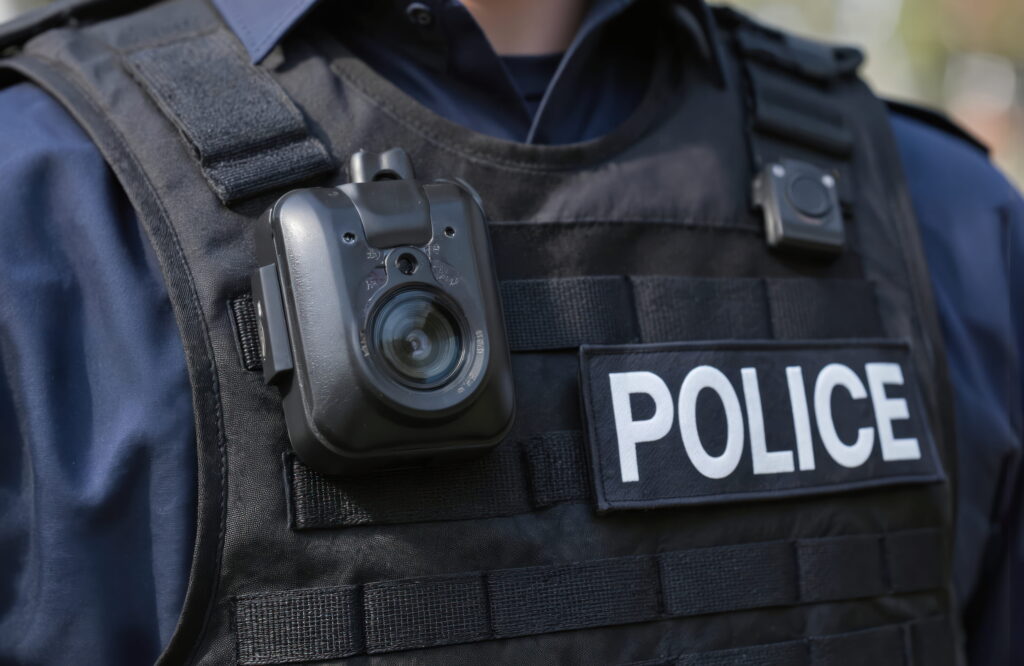
A Vancouver taxi driver. A police officer on a motorcycle. A cell phone allegedly spotted in heavy traffic on the Dunsmuir Viaduct. And a body-worn camera that the driver thought would save him.
It didn’t.
The recent BC Supreme Court case of R. v. Sandhuis one of those situations that should be required reading for anyone thinking about fighting a traffic ticket on their own. Not because the driver was wrong, but because of how badly the legal process went for him, even when he had what seemed like compelling evidence.
Welcome to “Cases That Should Have Gone to the Supreme Court of Canada, But Didn’t!”
In this episode, Kyla Lee from Acumen Law Corporation examines a case involving the power of courts to order lawyers to continue acting for clients. In a class action related to vaccine litigation, a lawyer filed a notice of discontinuance that removed certain plaintiffs from the case. Those plaintiffs later applied to have their claims reinstated, arguing that they had not consented to the discontinuance. The court reinstated the claims and went further, ordering the same lawyer who had filed the discontinuance to continue acting for them. The lawyer objected, arguing that communication problems and professional obligations created an ethical conflict that made it impossible to continue representing the clients. The Supreme Court of Canada declined to hear the appeal.
This week, Kyla Lee hosts the podcast solo and discusses a troubling impaired driving case involving police deception about access to counsel, along with proposed legislation that could expand police tracking powers.
Welcome to British Columbia’s only weekly DUI law update newsletter. This newsletter contains the most cutting-edge information, the newest case law, and helpful practice tips for DUI defence in BC.
Authored by Kyla Lee, BC’s Impaired Driving Update is released weekly on Thursdays.
This week on Weird and Wacky Wednesdays: The Chip Guru is Back in the Bag
It’s been a minute since I’ve donned my official Chip Guru hat, but the legal world has been suspiciously salty lately. If you thought the only drama in the chip aisle was whether to pick Ketchup or All-Dressed, think again. From secret cartels to microscopic mold, the courtroom is currently crunchier than a kettle-cooked chip.
This week on Weird and Wacky Wednesdays we look at three stories proving that when it comes to potato chips, the law is never far behind.
We have all had that one hobby that perhaps got a little bit out of hand. For some, it is sourdough starters; for others, it is collecting vintage Volvos. But for David Eaglestone, a semi-retired businessman from Smithers, his passion project was a bit more bureaucratic: filing an astronomical number of information requests with the Insurance Council of British Columbia.
In the recent case of Eaglestone v. Insurance Council of British Columbia, we get a front-row seat to what happens when a hobbyist’s quest for documents meets a regulatory body’s breaking point, leading the court to finally throw up its hands and say, “enough is enough”.